Willingly or unwillingly, parents tend to beat their children as a disciplining measure. However, latest research confirms that spanking perpetuates violence in children and lowers their self-esteem. Here are some alternative strategies that can help parents to avoid spanking.Parents often beat and slap their children, quite oblivious of the fact that spanking perpetuates violence in children. But latest scientific research confirms that spanking teaches children to use aggression as a means to achieve their ends. It has been observed that children who have been spanked are more prone to low self-esteem, depression and acceptance of low-paying jobs. It has been observed that parents beat up their children only out of their inability to do anything else. They regret slapping the child but cannot think of any other positive disciplinary measure. According to the International Network for Children and Families (INCAF), parents can take recourse in many positive strategies for improving a childs behaviour. In this articleDo not spank, remain calm Take time off for yourself Be kind but firm Provide choice Explain logical consequences Makeup Avoid conflict Inform children ahead of time Here are some: Do not spank, remain calm If a parent loses control over his or her emotions, the child is very likely to play with them. Therefore, silence is the buzzword. Just leave the situation and calm down, as that will help you to gain self-control. Take time off for yourself Parents are more prone to use spanking when they havent had any time to themselves and they feel depleted and hurried. So, it is important for parents to take some time off for themselves to exercise, read, take a walk or pray. Be kind but firm Another frustrating situation where parents tend to spank is when the child hasnt listened to repeated requests, especially if the child is taking things lightly. But the best solution is to bend down to your childs height, make eye contact, touch him gently and tell him, in a short, kind but firm phrase. Do not display your helplessness. Provide choice Giving your child a choice is an effective alternative to spanking. ``Would you like to stop playing with your food or would you like to leave the table?" If the child continues to play with the food, ask him or her to leave. Allow the child to come back only when he or she obeys. Explain logical consequences Do not threaten your child with physical punishment. Explain your stance logically. If you beat him after he breaks a neighbours window, you might stop him at that moment. But, he might hide such mistakes from you later, in order to avoid getting beaten up. Instead, ask the child to take responsibility for the broken widow pane. Make-up When children break agreements, parents tend to want to punish them. But, allow the child to make amends. Give him or her enough time and opportunity to carry out corrective measures and win your confidence. Avoid conflict Children who sass back at parents may provoke a parent to slap. In this situation, it is best if you withdraw from the situation immediately. Do not leave the room in anger or defeat. Calmly say, "Ill be in the next room when you want to talk more respectfully. Inform children ahead of time A childs temper tantrum can easily set a parent off. Children frequently throw tantrums when they feel uninformed or powerless in a situation. Instead of telling your child he has to leave his friends house in a moments notice, tell him that you will be leaving in five minutes. This allows the child to complete what he was in the process of doing.
Willingly or unwillingly, parents tend to beat their children as a disciplining measure. However, latest research confirms that spanking perpetuates violence in children and lowers their self-esteem. Here are some alternative strategies that can help parents to avoid spanking.
Parents often beat and slap their children, quite oblivious of the fact that spanking perpetuates violence in children. But latest scientific research confirms that spanking teaches children to use aggression as a means to achieve their ends. It has been observed that children who have been spanked are more prone to low self-esteem, depression and acceptance of low-paying jobs.
It has been observed that parents beat up their children only out of their inability to do anything else. They regret slapping the child but cannot think of any other positive disciplinary measure. According to the International Network for Children and Families (INCAF), parents can take recourse in many positive strategies for improving a child's behaviour.
If a parent loses control over his or her emotions, the child is very likely to play with them. Therefore, silence is the buzzword. Just leave the situation and calm down, as that will help you to gain self-control.
Take time off for yourself
Parents are more prone to use spanking when they haven't had any time to themselves and they feel depleted and hurried. So, it is important for parents to take some time off for themselves to exercise, read, take a walk or pray.
Be kind but firm
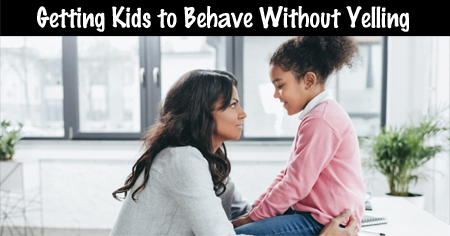
Another frustrating situation where parents tend to spank is when the child hasn't listened to repeated requests, especially if the child is taking things lightly. But the best solution is to bend down to your child's height, make eye contact, touch him gently and tell him, in a short, kind but firm phrase. Do not display your helplessness.
Provide choice
Giving your child a choice is an effective alternative to spanking. ``Would you like to stop playing with your food or would you like to leave the table?" If the child continues to play with the food, ask him or her to leave. Allow the child to come back only when he or she obeys.
Explain logical consequences
Do not threaten your child with physical punishment. Explain your stance logically. If you beat him after he breaks a neighbour's window, you might stop him at that moment. But, he might hide such mistakes from you later, in order to avoid getting beaten up. Instead, ask the child to take responsibility for the broken widow pane.
Make-up
When children break agreements, parents tend to want to punish them. But, allow the child to make amends. Give him or her enough time and opportunity to carry out corrective measures and win your confidence.
Avoid conflict
Children who sass back at parents may provoke a parent to slap. In this situation, it is best if you withdraw from the situation immediately. Do not leave the room in anger or defeat. Calmly say, "I'll be in the next room when you want to talk more respectfully.''
Inform children ahead of time
A child's temper tantrum can easily set a parent off. Children frequently throw tantrums when they feel uninformed or powerless in a situation. Instead of telling your child he has to leave his friend's house in a moment's notice, tell him that you will be leaving in five minutes. This allows the child to complete what he was in the process of doing.
Sorry. Due to our site's regulations and policies, your message has not been posted. Our moderating team has been notified about your message. If the message is found to be genuine and still did not get posted, you may not post the message again as it will automatically get posted for you within 24hrs time (excluding weekends).
- The Indiaparenting Team
Parents often beat and slap their children, quite oblivious of the fact that spanking perpetuates violence in children. But latest scientific research confirms that spanking teaches children to use aggression as a means to achieve their ends. It has been observed that children who have been spanked are more prone to low self-esteem, depression and acceptance of low-paying jobs. It has been observed that parents beat up their children only out of their inability to do anything else.
Here are some alternative strategies that can help parents to avoid spanking:
1. Do not spank, remain calm. If a parent loses control over his or her emotions, the child is very likely to play with them. Therefore, silence is the buzzword.
2. Take time off for yourself. Parents are more prone to use spanking when they haven't had any time to themselves and they feel depleted and hurried. take some time off for themselves to exercise, read, take a walk or pray.
3. Another frustrating situation where parents tend to spank is when the child hasn't listened to repeated requests. But the best solution is to bend down to your child's height, make eye contact, touch him gently and tell him, in a short, kind but firm phrase. Do not display your helplessness.
4. Explain logical consequences.
Did you know that continuous spanking can ruin your child's life? Discuss this topic!
sanjay
spanking is important.
but when , how, where ( place , situation )
which body part(bums). after what, and not before clearly communicating with the kid about the consequences of disobed...
I strongly disagree. Do you know how many families i have seen being messed over because parents used these methodsNULL The home lives are horrible. The children are very disrespectful. Why you ask be...