Varicose Veins are often mistakenly believed to be a cosmetic problem. The fact is, Varicose Veins is very much a disease - one with cosmetic manifestations and often little pain, but a disease nonetheless. Endeavor to manage this disease instead of just shrugging it off saying "I wear saris/salwar kameezes/trousers all the time anyway. Whos going to see my legs?" Thankfully, Varicose Veins is not a fatal disease; not by any standards, so you neednt panic. Medical treatment is not required unless you develop clots, or if they rupture. Ruptured veins are far more dangerous than clots. Once a vein ruptures, it leads to internal bleeding, causing heavy blood loss. So the minute this happens you should take measures to first control the bleeding, and then head for the doctor. Varicose Veins that are close to the ankles have a tendency to rupture. In this articleWhat is a clot?What are varicose veins?What causes varicose veins?Can you reduce varicose veins?What is a clot?Clots are usually crimson in colour, lumpy, and painful to the touch. While clots dont require urgent medical attention, you should definitely make it a point to show them to your physician.What are varicose veins? As blood rushes through our legs, the veins send it back to the heart. However, over a period of time, due to the force of gravity, the veins lose their ability to push the blood upwards, causing the blood to settle down in certain areas of the veins. This condition is known as varicose veins.What causes varicose veins?More women suffer from varicose veins than men do. There are a number of reasons varicose veins may form, including: Standing for extended periods of time Obesity Pregnancy Hereditary factors (if your mother had varicose veins, there is a likelihood you will too!) Hormonal changes experienced during menopause History of previous vein diseases Can you reduce varicose veins? There are various injection therapies available to cure varicose veins, but you can also opt for the natural route, which has long-term benefits. Injections or surgical therapies have only temporary benefits, and more varicose veins will soon crop up. Heres what you can do to reduce, cure, and prevent this condition. Keep your weight down. Go for brisk walks or jogs. This strengthens the legs, and the leg veins. Eat fibre-rich food such as chapattis, whole wheat bread, vegetables and fruits. Avoid refined foods such as maida and pastas. When lying down, keep your legs at a higher position than the rest of your body. Sleeping in this position is extremely beneficial, as you will be in this position for around 7-8 hours at a stretch. If you have heart troubles, check with your doctor before sleeping the entire night with your feet raised. If you do the sarvangasan daily, you are sure to never develop varicose veins. Lie down on your back with your head near a wall, so you can use it as support for your legs. Lift your legs up into the air, until your feet touch the wall behind you. Support your waist with your hands, elbows resting on the floor. Straighten your legs so they are no longer touching the wall, and your feet and hips form a straight line parallel to the wall. Stretch as high up as you possibly can. Alternatively, simply lift your legs, resting them on the wall, so your body forms a right angle. Breath through your stomach, expanding it while breathing in, and contracting it while breathing out. If you are going for a long drive, stop the car, get out, and stretch your legs every hour. Similarly, when flying, opt for the aisle seat so you can get up and stretch your legs every half and hour to 45 minutes. Eat less salt. Invest in elastic support stockings. They really do help. The veins closest to the skin of the legs are generally the weakest, which is why varicose veins form near the surface. Support stockings force the blood to the inner, stronger veins, which are easily able to push the blood upwards. Dont wear tight clothing, restricted clothing below waist level, as the veins would have to work harder to push blood upwards. Take regular health precautions such as dont smoke, avoid excessive intake of alcohol, exercise regularly and eat a healthy diet. If the pain becomes too much, dont mask it by taking painkillers. Try changing your lifestyle. Adhere to the tips mentioned above, and you will find a world of difference.
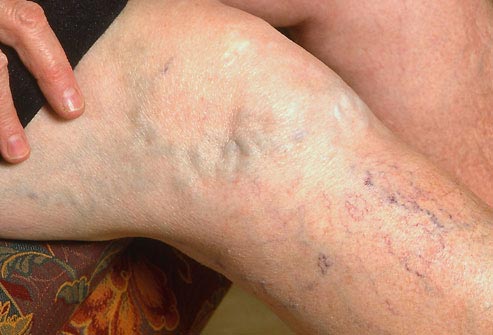
Varicose Veins are often mistakenly believed to be a cosmetic problem. The fact is, Varicose Veins is very much a disease - one with cosmetic manifestations and often little pain, but a disease nonetheless. Endeavor to manage this disease instead of just shrugging it off saying "I wear saris/salwar kameezes/trousers all the time anyway. Who's going to see my legs?"
Thankfully, Varicose Veins is not a fatal disease; not by any standards, so you needn't panic. Medical treatment is not required unless you develop clots, or if they rupture. Ruptured veins are far more dangerous than clots. Once a vein ruptures, it leads to internal bleeding, causing heavy blood loss. So the minute this happens you should take measures to first control the bleeding, and then head for the doctor. Varicose Veins that are close to the ankles have a tendency to rupture.
Clots are usually crimson in colour, lumpy, and painful to the touch. While clots don't require urgent medical attention, you should definitely make it a point to show them to your physician.
What are varicose veins?
As blood rushes through our legs, the veins send it back to the heart. However, over a period of time, due to the force of gravity, the veins lose their ability to push the blood upwards, causing the blood to settle down in certain areas of the veins. This condition is known as varicose veins.
What causes varicose veins?
More women suffer from varicose veins than men do. There are a number of reasons varicose veins may form, including:
Standing for extended periods of time
Obesity
Pregnancy
Hereditary factors (if your mother had varicose veins, there is a likelihood you will too!)
Hormonal changes experienced during menopause
History of previous vein diseases
Can you reduce varicose veins?
There are various injection therapies available to cure varicose veins, but you can also opt for the natural route, which has long-term benefits. Injections or surgical therapies have only temporary benefits, and more varicose veins will soon crop up. Here's what you can do to reduce, cure, and prevent this condition.
Keep your weight down.
Go for brisk walks or jogs. This strengthens the legs, and the leg veins.
Eat fibre-rich food such as chapattis, whole wheat bread, vegetables and fruits. Avoid refined foods such as maida and pastas.
When lying down, keep your legs at a higher position than the rest of your body. Sleeping in this position is extremely beneficial, as you will be in this position for around 7-8 hours at a stretch. If you have heart troubles, check with your doctor before sleeping the entire night with your feet raised.
If you do the sarvangasan daily, you are sure to never develop varicose veins. Lie down on your back with your head near a wall, so you can use it as support for your legs. Lift your legs up into the air, until your feet touch the wall behind you. Support your waist with your hands, elbows resting on the floor. Straighten your legs so they are no longer touching the wall, and your feet and hips form a straight line parallel to the wall. Stretch as high up as you possibly can. Alternatively, simply lift your legs, resting them on the wall, so your body forms a right angle. Breath through your stomach, expanding it while breathing in, and contracting it while breathing out.
If you are going for a long drive, stop the car, get out, and stretch your legs every hour. Similarly, when flying, opt for the aisle seat so you can get up and stretch your legs every half and hour to 45 minutes.
Eat less salt.
Invest in elastic support stockings. They really do help. The veins closest to the skin of the legs are generally the weakest, which is why varicose veins form near the surface. Support stockings force the blood to the inner, stronger veins, which are easily able to push the blood upwards.
Don't wear tight clothing, restricted clothing below waist level, as the veins would have to work harder to push blood upwards.
Take regular health precautions such as don't smoke, avoid excessive intake of alcohol, exercise regularly and eat a healthy diet.
Sorry. Due to our site's regulations and policies, your message has not been posted. Our moderating team has been notified about your message. If the message is found to be genuine and still did not get posted, you may not post the message again as it will automatically get posted for you within 24hrs time (excluding weekends).
- The Indiaparenting Team