Do you run the risk of dislocating your jaw? Read on and find out.The only moveable part of your face is your jawbone. Your jawbone holds your lower teeth, and is connected to the upper teeth by a hinged joint. When the jaw gets displaced from this joint, you have a dislocated jaw. When your jaw gets dislocated from one side or both sides, the jaw muscles start tightening after 15-20 minutes, preventing the mouth from closing. The longer your jaw remains dislocated, the more difficult it would be for your medical practitioner to replace it, because the jaw muscles keep tightening. At times, the airway may also get blocked, usually if the dislocation is due to a fracture. This could lead to breathing difficulties. Thus, you need immediate medical attention. A dentist, jaw doctor or ENT specialist would be the right person to assist you. In this articleCausesSymptomsTreatmentPreventionExercisesRisk FactorCauses A dislocated jaw is usually caused due to some trauma or injury to the face, but it could also occur if you open your mouth too widely to yawn or to take a large bite. 34-year-old Sapna dislocated her jaw while eating pani puri! Symptoms Facial/jaw pain Inability to close your mouth Swelling Asymmetry of the face Redness Bleeding under the jaw skin Slight numbness If you feel you may have dislocated your jaw, do not panic. You will not be able to talk, so dont try. Communicate through writing. Apply ice to your jaw to prevent internal bleeding and to reduce swelling. Go to the nearest doctor immediately. Treatment Your doctor should be able to manually reset your jaw and push it back into position. He may or may not need to do this under anesthesia. After treatment, stay on a liquid diet for a week. You can eat soft foods like bananas, ice cream, pasta, soup, curds, apple stew. Keep applying ice for 15 minutes, every few hours. Avoid opening your mouth too wide. If you have to yawn, put your fist under your chin to prevent your mouth from opening too wide. Prevention Dont clench your teeth subconsciously. You may also be grinding your teeth while sleeping, without realizing it. Consult a dentist or ask your partner if you grind your teeth at night. Often, the only indication that you grind your teeth while sleeping is if you wake up with a sore jaw. Constant grinding wears down the joint that attaches your upper jaw to the lower jaw. Dont click your jaws. Children especially have a tendency to click their jaw bones. Get them out of this habit. Do exercises that strengthen your jaws.Exercises Place both palms on your chin, and push your chin up with your hands, while opening your mouth and pushing it down with your jaw muscles. Place your palm in front of your left ear, resting on the left side of your face, and press the left jaw gently but firmly. Resist the push with your jaw muscles. Repeat on the right side. Risk Factor Open your mouth, and close it. Does your jaw click on one or either side? If it does, your jaw muscles may be weak, and you could be at a risk for dislocating your jaw. Do you know that maddening itch in your inner ear that you just cant seem to reach? This too is caused by a weak jaw, and is a sign that you may need to start exercising your jaws more frequently, and stop clenching your teeth!
Do you run the risk of dislocating your jaw? Read on and find out.The only moveable part of your face is your jawbone. Your jawbone holds your lower teeth, and is connected to the upper teeth by a hinged joint. When the jaw gets displaced from this joint, you have a dislocated jaw.
When your jaw gets dislocated from one side or both sides, the jaw muscles start tightening after 15-20 minutes, preventing the mouth from closing. The longer your jaw remains dislocated, the more difficult it would be for your medical practitioner to replace it, because the jaw muscles keep tightening. At times, the airway may also get blocked, usually if the dislocation is due to a fracture. This could lead to breathing difficulties. Thus, you need immediate medical attention. A dentist, jaw doctor or ENT specialist would be the right person to assist you.
Causes
A dislocated jaw is usually caused due to some trauma or injury to the face, but it could also occur if you open your mouth too widely to yawn or to take a large bite. 34-year-old Sapna dislocated her jaw while eating pani puri!
Symptoms
Facial/jaw pain
Inability to close your mouth
Swelling
Asymmetry of the face
Redness
Bleeding under the jaw skin
Slight numbness
- If you feel you may have dislocated your jaw, do not panic. You will not be able to talk, so don't try. Communicate through writing.
- Apply ice to your jaw to prevent internal bleeding and to reduce swelling.
- Go to the nearest doctor immediately.
Treatment
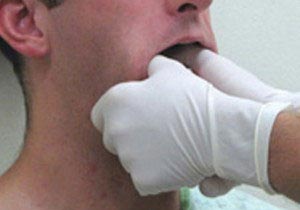
Your doctor should be able to manually reset your jaw and push it back into position. He may or may not need to do this under anesthesia.
After treatment, stay on a liquid diet for a week. You can eat soft foods like bananas, ice cream, pasta, soup, curds, apple stew. Keep applying ice for 15 minutes, every few hours. Avoid opening your mouth too wide. If you have to yawn, put your fist under your chin to prevent your mouth from opening too wide.
Prevention
Don't clench your teeth subconsciously. You may also be grinding your teeth while sleeping, without realizing it. Consult a dentist or ask your partner if you grind your teeth at night. Often, the only indication that you grind your teeth while sleeping is if you wake up with a sore jaw. Constant grinding wears down the joint that attaches your upper jaw to the lower jaw.
Don't click your jaws. Children especially have a tendency to click their jaw bones. Get them out of this habit.
Do exercises that strengthen your jaws.
Exercises
Place both palms on your chin, and push your chin up with your hands, while opening your mouth and pushing it down with your jaw muscles.
Place your palm in front of your left ear, resting on the left side of your face, and press the left jaw gently but firmly. Resist the push with your jaw muscles. Repeat on the right side.
Risk Factor
Open your mouth, and close it. Does your jaw click on one or either side? If it does, your jaw muscles may be weak, and you could be at a risk for dislocating your jaw.
Do you know that maddening itch in your inner ear that you just can't seem to reach? This too is caused by a weak jaw, and is a sign that you may need to start exercising your jaws more frequently, and stop clenching your teeth!