Learn to cope with a C-section; it will make it easier to bear with it. Read on to find out more facts regarding the C-section delivery. Ritu had past over her expected due date and there was still no sign of labour pain. She informed her doctor and Ritu was hospitalised immediately. Her baby was not in the right position to enter the birth canal. The doctor did not want to take further risks. The decision was taken and the baby would be born through a C-section. After following all formalities, Ritu was given anesthesia and soon the baby was on its way into the world. The baby was healthy. Although Ritu was nervous she was overjoyed to see her baby safe. The procedure gave her pain and inconvenience but with care she did cope up gradually and was back to a normal life in four weeks. The postpartum period is the most challenging time for the mothers who deliver caesarian babies. Caesarean is the delivery of a baby by surgery also known as abdominal birth. Caesarian section is one of the major surgeries where both mother and a baby can be at risk. In this articleWhen is a caesarean section required?Risk for the mother after caesareanRisk for the baby after caesareanCoping with emotional ups and downsIntake of food after C-sectionHealing of the woundWhen is a caesarean section required? Every mother hopes that her child should be born normal with least medical intervention. But a doctor may need to carry out a caesarean in an emergency due to several reasons. If baby is lacking oxygen or if babys oxygen supply is totally cut off then emergency caesarean is performed. Adoctor may perform caesarean if the baby is in breech position or if the babys head is too large compared to the pelvis. If the placenta is blocking the birth canal then normal delivery may not be possible. If mother is suffering from serious disease such as diabetes, high blood pressure or even genital herpes then Caesarean will be needed. There may be many other reasons that may demand a Caesarean because each delivery is unique. Risk for the mother after caesarean In most of the cases, the mother and child do well but there are risks involved from the surgery and anesthesia. Though your obstetrician and midwife will take every possible care to avoid complications after operation, mothers can be at following risk after delivering a baby through C-section. Infection in the uterus and nearby pelvic organs such as bladder and kidney Increased blood loss Local anesthesia can have several side effects such as respiratory problems Longer healing time Risks to perform other operations such as hysterectomy and bladder repair A good doctor will always ensure that the mother and child are safe. If you follow instructions and take care you can recover soon. Risk for the baby after caesarean C-section is a major surgery and therefore it is riskier than vaginal delivery. Following are some of the risks involved to the baby while delivering through C-section. Premature birth Development of breathing problems Possibility of fetal injury While these problems are associated with a Caeserean section an experienced doctor can help ensure that the baby is delivered safely. Coping with emotional ups and downs If you are mentally prepared for the operation then coping with caesarean is not as hard as it seems to be. How well you endure the operation is what determines coping with it. Some women who undergo caesarean confront lot of emotional problems postdelivery as they miss out on the experience of child birth. While some women will enjoy the birthing process since they are awake while the surgery is being performed. If you have been through a C-section and are wondering if you will need a C-section for your next baby too then you should stop worrying at once. You can relax because almost 80% of women have vaginal birth after a caesarean. During a caesarean your partner will be allowed to stay besides you if you are going to stay awake through out thesurgery asa fathers role during delivery is crucial too. Keep in mind to talk to your health care provider prior to the surgery about this. Mothers who deliver their baby through C-section may go through an emotional turmoil. Sharing your caesarean experience with other women may help you to cope with it. Some women will find it uncomfortable to resume love-making but by adopting different sex positions and avoiding pressure on the scar will make sexual intercourse comfortable. Intake of food after C-section You may resume to your regular diet few days after operation. A balanced diet is required as to make the healing process quick. Iron enriched food will be beneficial to heal the scar. Avoid oily and junk food. Keep away from carbonated drinks and citrus juices as they may lead to gas pains. Focus on having food from all major food groups. Include meat, beans, green leafy vegetables, dried fruits, brown bread and yogurt in your diet. Traditionally Indian women are advised to avoid eating starchy foods to make the sutures heal faster. Make your meal protein and calcium enriched. Do not skip any vitamin or iron supplements suggested by your health care provider. Avoid eating processed food. Eat healthy and cope-up with caesarean easily. Healing of the wound Indulging in too much activity may prolong the healing process. If you have had a C-section delivery you should take as much rest as possible in the first few days. It is advisable to avoid lifting heavy things. In the first two weeks, concentrate on resting and taking care of your baby. When the effect of anesthetic slows down, you may start experiencing pain. Once you get discharged from the hospital it is normal to feel awkward arriving home. You may even experience severe pain. But it will subside slowly. Try to know your baby well by focusing on post natal care. After your dressing is removed you can take a bath or shower and wash the scar with soap and water. Make a conscious effort to keeping the scar clean and dry. It is advisable to wash your wound with soap and water once dressing is removed. Caesarean is the wonder of science, like an angel in disguise when normal delivery is not possible. If you have had caesarean, try to take it positively. With optimism and motivation it is not difficult to cope up with caesarean section.
Learn to cope with a C-section; it will make it easier to bear with it. Read on to find out more facts regarding the C-section delivery. Ritu had past over her expected due date and there was still no sign of
labour pain. She informed her doctor and Ritu was hospitalised immediately. Her baby was not in the right position to enter the birth canal. The doctor did not want to take further risks. The decision was taken and the baby would be born through a
C-section.
After following all formalities, Ritu was given anesthesia and soon the baby was on its way into the world. The baby was healthy. Although Ritu was nervous she was overjoyed to see her baby safe. The procedure gave her pain and inconvenience but with care she did cope up gradually and was back to a normal life in four weeks.
The
postpartum period is the most challenging time for the mothers who deliver caesarian babies. Caesarean is the delivery of a baby by surgery also known as abdominal birth. Caesarian section is one of the major surgeries where both mother and a baby can be at risk.
When is a caesarean section required?
Every mother hopes that her child should be born normal with least medical intervention. But a doctor may need to carry out a caesarean in an emergency due to several reasons. If baby is lacking oxygen or if baby's oxygen supply is totally cut off then emergency caesarean is performed. Adoctor may perform caesarean if the baby is in
breech position or if the baby's head is too large compared to the pelvis. If the placenta is blocking the birth canal then normal
delivery may not be possible. If mother is suffering from serious disease such as
diabetes,
high blood pressure or even
genital herpes then Caesarean will be needed. There may be many other reasons that may demand a Caesarean because each delivery is unique.
Risk for the mother after caesarean
In most of the cases, the mother and child do well but there are risks involved from the surgery and anesthesia. Though your obstetrician and midwife will take every possible care to avoid complications after operation, mothers can be at following risk after delivering a baby through C-section.
- Infection in the uterus and nearby pelvic organs such as bladder and kidney
- Increased blood loss
- Local anesthesia can have several side effects such as respiratory problems
- Longer healing time
- Risks to perform other operations such as hysterectomy and bladder repair A good doctor will always ensure that the mother and child are safe. If you follow instructions and take care you can recover soon.
Risk for the baby after caesarean
C-section is a major surgery and therefore it is riskier than vaginal delivery. Following are some of the risks involved to the baby while delivering through C-section.
- Premature birth
- Development of breathing problems
- Possibility of fetal injury
While these problems are associated with a Caeserean section an experienced doctor can help ensure that the baby is delivered safely.
Coping with emotional ups and downs
If you are mentally prepared for the operation then coping with caesarean is not as hard as it seems to be. How well you endure the operation is what determines coping with it. Some women who undergo caesarean confront lot of emotional problems postdelivery as they miss out on the experience of
child birth. While some women will enjoy the birthing process since they are awake while the surgery is being performed.
If you have been through a C-section and are wondering if you will need a C-section for your next baby too then you should stop worrying at once. You can
relax because almost 80% of women have vaginal birth after a caesarean. During a caesarean your partner will be allowed to stay besides you if you are going to stay awake through out thesurgery asa
father's role during delivery is crucial too. Keep in mind to talk to your health care provider prior to the surgery about this.
Mothers who deliver their baby through C-section may go through an emotional turmoil. Sharing your caesarean experience with other women may help you to cope with it. Some women will find it uncomfortable to resume
love-making but by adopting different sex positions and avoiding pressure on the scar will make
sexual intercourse comfortable.
Intake of food after C-section
You may resume to your
regular diet few days after operation. A
balanced diet is required as to make the healing process quick. Iron enriched food will be beneficial to heal the scar. Avoid oily and
junk food. Keep away from carbonated drinks and citrus juices as they may lead to gas pains. Focus on having food from all major food groups. Include meat, beans, green leafy
vegetables, dried fruits, brown bread and yogurt in your diet.
Traditionally Indian women are advised to avoid eating starchy foods to make the sutures heal faster. Make your meal protein and calcium enriched. Do not skip any vitamin or
iron supplements suggested by your health care provider. Avoid eating processed food. Eat healthy and cope-up with caesarean easily.
Healing of the wound
Indulging in too much activity may prolong the healing process. If you have had a C-section delivery you should take as much rest as possible in the first few days. It is advisable to avoid lifting heavy things. In the first two weeks, concentrate on resting and taking care of your
baby.
When the effect of anesthetic slows down, you may start experiencing pain. Once you get discharged from the hospital it is normal to feel awkward arriving home. You may even experience severe pain. But it will subside slowly. Try to know your baby well by focusing on
post natal care.
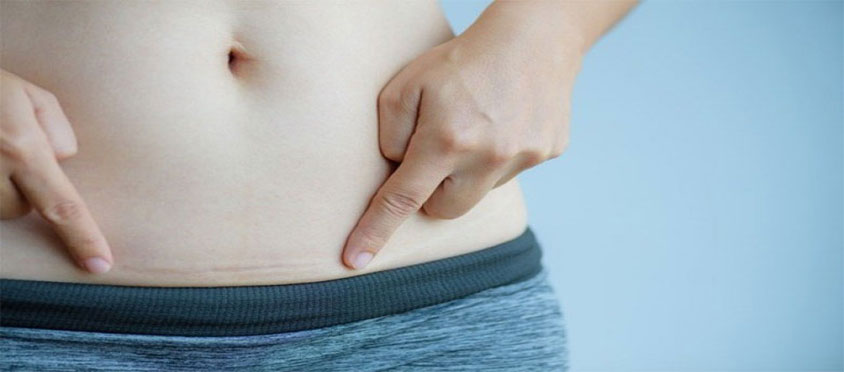
After your dressing is removed you can take a bath or shower and wash the scar with soap and water. Make a conscious effort to keeping the scar clean and dry. It is advisable to wash your wound with soap and water once dressing is removed.
Caesarean is the wonder of science, like an angel in disguise when normal delivery is not possible. If you have had caesarean, try to take it positively. With optimism and motivation it is not difficult to cope up with caesarean section.