Enacting stories has a positive influence in
children. It helps in mental development and is great for learning. Children
should imbibe this art of enacting stories as it a part of their curriculum. Find
out more about story enacting sessions. Read on to know how to help the child
to enact a story.
Helping children to enact stories can be a fun activity and
has the potential to work wonders to the mental development of the child. The
process is basically a natural follow through of the reading and story telling
sessions. Stories have always been intriguing to the young and tender minds. It
can be easily noticed that kids have a natural propensity for enacting
characters and situations from the stories
that they have been reading or listening to, if they find them interesting.
Enacting Comes
Through Social Constructivism
Like every other activity that you do with your kid, you
need to make this one interesting as well. Helping the kids in this regard
involves the construction of the gradually developing sense of self or
individualism in the child in an atmosphere that they are able to relate it
with others. Apparently just a fun activity, it can render a deep impact on the
psychological exploration of the child. They learn a lot through the process of
exploring themselves and simultaneously relating themselves with others. It
also happens to be a multicultural educational
opportunity as well.
How to Encourage the Child
in his Attempt to Enact a Story?
Have a quick look at how you can teach your child to enact
stories
Sit with Child and
Read
Sit with the child and read the story first. This reading
session must be a participatory one. Hold the child’s attention to every minute
detail regarding a certain event or a character in the story and note that he
does not miss out on any little detail.
Discuss with Your
Child
Hold a discussion with the child. Ask him whether he liked
the story and the reasons behind his like or dislike. Ask whether he felt any
particular character was fun or perhaps ask him to name a character by saying,
‘who do you think had such and such characteristics in the story?’
Let Child Take his
Time
Give time to the child to come up with proper answers. Allow
him to ponder and think hard on what you have questioned him. Clarify, be
patient and offer him clues if you feel that he is missing out on some
important point.
As you discuss get into some role playing
by changing your look by say, bringing in a scarf or a shawl and change your
tone as you speak in the voice of the respective character. Try to get in a
feel of the environment by adjusting the light of the room. Add in some music
as well.
Wait for Right Time
Before long, you will find that the kid gets more and more
interested in this drama activity. This is the right time to suggest why not
stage a play on this story. As they readily agree it is time to teach them some
basic technicalities with regard to stage performances.
Props, Voice
Modulation and Confidence
Help him understand simple props like tables, chairs,
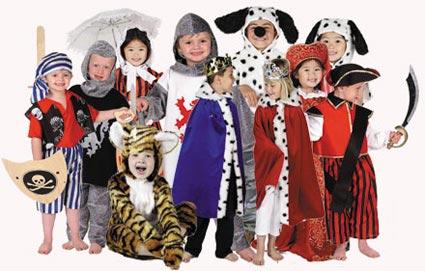
curtains and lamp shades. Explain how looks change according to the character
by wearing a jacket, cloak or a hat. Teach him a little bit of voice
modulation. As you explain the character and the situation, this will come more
or less naturally to the kid. Finally, just work on his confidence
if you find him apprehensive on his performance.
It is optional on whether you would like to take the kid to
a children’s theater so as to give him an idea on what a drama or a play is
like. Kids can feel more excited as they watch the play and are keen to do
something similar back home. But some kids might get so overwhelmed that they
fear that they may not match what they have seen on stage and tend to withdraw
into their shells.
So you need to anticipate your kid’s reaction and decide
whether you should visit a theater first. But once you have taken care with the
explanation of the story, your kid will be more than ready to amaze by his
acting skills!