Abalanceddietisveryimportantforbeinghealthyandfit.Abalanceddietisablendofallthecomponentsoffoodsoastogetallthenutrientsrequiredbythebodyforproperfunctioning.Abalanceddiethelpsinmaintainingtheweightandinpreventingdiseases.Followthesetipsforhavingabalanceddiet.Abalanceddietoughttohaveajudiciousblendofhealthyanddiversefoodssoastoensuregoodhealth.Theessentialnutrientsshouldideallybeapartofyourdietinordertoenhancethemetabolicfunctionofyourbody.AbalanceddietisnecessarytomaintainahealthyBodyMassIndex(BMI).Agooddietpreventsmanydiseasesandisacureformanyofthestubbornlifestylesandotherdiseases.Herearecertaintipsforagoodandhealthydiet:InthisarticleIncludingPrimaryFoodsinDietEnsuringProperNutritionHowShouldanIdealDietBe?SaturatedandTrans-FatsinDietIncludingPrimaryFoodsinDiet-YouNeedtoHaveSeveralHealthyFoodGroupsasYourAlternatives.Nosinglefoodgroupcanensureallthenourishmentrequiredbythebody.Therearefiveprimaryfoodgroups-CerealsandpulsesDairyFruitsPoultry,fishandmeatVegetablesEnsuringProperNutrition-Thesefivefoodgroupsprovidealltherequiredvitamins,mineralsanddietaryfibers.Todetermineabalanceddiet,oneneedstotakeintoaccounttheage,sex,bodysizeandactivityleveloftherespectiveindividual.Avarietyoffoodswillnotonlymakeaninterestingmealbutalsoprovidetheoptimalrecommendednutrition.Therearesixmajornutritiongroups–WaterMineralsVitaminsCarbohydratesFatsProteinsEachofthemhasanessentialroletomaintainthehealthofthedietthroughabalanceddiet.Thisentailsthatabalanceddietisimportanttopreventtheoccurringofthecommondiseaseslikeindigestionandulcers.Ifyoucanincludeitemsfromeachofthegroups,youcanhaveabalanceddietandthefoodyouingestisnutritious.Thebodycanalsooptimallyutiliseitwithoutanywastage.HowShouldanIdealDietBe?Abalanceddietshouldnotideallyincludestarchyandfattyfoodsorfooditemsthatareladenwithspices.Foodhavingadditivesshouldalsobeavoidedastheycomplicatethedigestiveprocess.Youshouldalsoavoidexcessofsaltandsugar.Everyfooditemplaystheirrespectivepartsinprovidingnutritionforthebody.Itisthusimportantthatyouarejudiciousinyourselections.Youshouldhaveeveryfooditeminmoderationandaccordingtotherequirementofthebody.Ifyouenduphavinganythingtoomuchortoolittle,youendupdisturbingthebalanceofthebodyanditssystems.Shuntheemptycaloriefoods.Manyofthepopularandoff-the-shelffooditemsplaynoroletoimprovethehealthofaperson.Thesoftdrinks,thejunkfoodandprocessedfoodsfallinthiscategory.SaturatedandTrans-FatsinDietAbalanceddietmusthaveamoderationofsaturatedandtrans-fats,sugar,salt,cholesterolandmeatstoo.Itshouldhaveafairamountofwholegrainproducts,fruitsandvegetables,low-fatdairyproduceandthe‘good’andhealthyfatslikethoseobtainedfromcertainfish,nutsandvegetableoils.Leanmeats,poultryandlentilsshouldalsobeamajorpartofabalanceddiet.Abalanceddietisultimatelymeasuredbytheamountoftotalcalorieintake.Sokeepacheckonthis.Itiseasytodeterminethisbytakingintoaccountthecontentofthefoodandthenutritionalvalueofthefood.
A balanced diet is very important for being healthy and fit. A balanced diet is a blend of all the components of food so as to get all the nutrients required by the body for proper functioning. A balanced diet helps in maintaining the weight and in preventing diseases. Follow these tips for having a balanced diet. A balanced diet ought to have a judicious blend of healthy and diverse foods so as to ensure good health. The essential nutrients should ideally be a part of your diet in order to enhance the metabolic function of your body. A
balanced diet is necessary to maintain a healthy Body Mass Index (BMI). A good diet prevents many diseases and is a cure for many of the stubborn lifestyles and other diseases. Here are certain tips for a good and healthy diet:
Including Primary Foods in Diet -
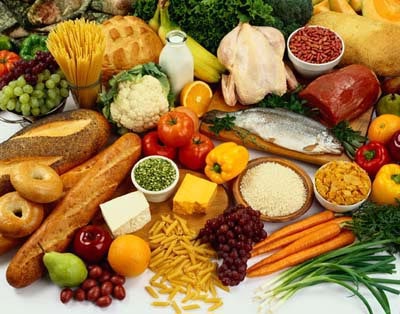
You Need to Have Several Healthy Food Groups as Your Alternatives. No single food group can ensure all the nourishment required by the body. There are five primary food groups -
- Cereals and pulses
- Dairy
- Fruits
- Poultry, fish and meat
- Vegetables
Ensuring Proper Nutrition -
These five food groups provide all the required vitamins, minerals and dietary fibers. To determine a balanced diet, one needs to take into account the age, sex, body size and activity level of the respective individual. A variety of foods will not only make an interesting meal but also provide the optimal recommended
nutrition. There are six major nutrition groups –
- Water
- Minerals
- Vitamins
- Carbohydrates
- Fats
- Proteins
Each of them has an essential role to maintain the health of the diet through a balanced diet. This entails that a balanced diet is important to prevent the occurring of the common diseases like indigestion and ulcers. If you can include items from each of the groups, you can have a balanced diet and the food you ingest is nutritious. The body can also optimally utilise it without any wastage.
How Should an Ideal Diet Be?
A balanced diet should not ideally include starchy and fatty foods or food items that are laden with spices. Food having additives should also be avoided as they complicate the digestive process. You should also avoid excess of salt and sugar. Every food item plays their respective parts in providing nutrition for the body. It is thus important that you are judicious in your selections.
You should have every food item in moderation and according to the requirement of the body. If you end up having anything too much or too little, you end up disturbing the balance of the body and its systems.
Shun the empty calorie foods. Many of the popular and off-the-shelf food items play no role to improve the health of a person. The soft drinks, the junk food and processed foods fall in this category.
Saturated and Trans-Fats in Diet
A balanced diet must have a moderation of saturated and trans-fats, sugar, salt, cholesterol and meats too. It should have a fair amount of whole grain products, fruits and vegetables, low-fat dairy produce and the ‘good’ and healthy fats like those obtained from certain fish, nuts and vegetable oils. Lean meats, poultry and lentils should also be a major part of a balanced diet.
A balanced diet is ultimately measured by the amount of total calorie intake. So keep a check on this. It is easy to determine this by taking into account the content of the food and the nutritional value of the food.