
















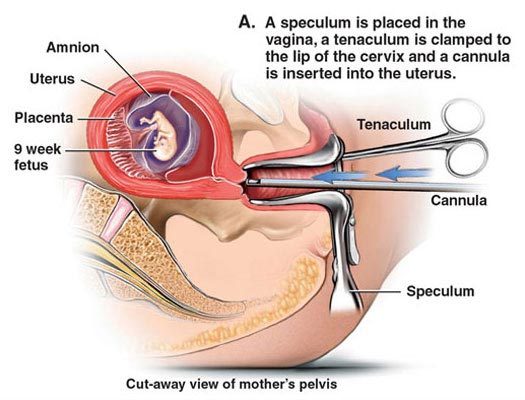





I'm 28, unmarried & I had my abortion done at Apollo Hospital, because it very very safe, nobody judges you, and still costs Rs.5000, 2 scans one before and one after to check how old the pregnancy and if it's gone completely of Rs. 1350 each, and Rs. 500 for consultation the first day I saw her same as any small nursing home.
My friend went to a small nursing home and they judged her never give any pain killer and kept charging her for everything total cost of that was Rs. 10,000
My abortion was through pills. First pill along with a anti-nausea pill. After 48 hours I came back to the doctor and she inserted vaginally 3 pills, told me to lie down for 15 mins, and prescribed another 3 pills of the same kind along with the anti-nausea pill to be taken together that night. She also prescribed another tablet to be taken for 8 days after and some pain killers for pain.
There is discomfort more than period cramps but bearable with pain killers.. Buy anti nausea tablets because the moving pain makes you feel sick in your mouth.
Buy lots of sanitary pads for a week at least. Eat well before this process, because you won't feel like eating.
Don't go to small doctors. They may make you feel really pathetic. A big hospital has no time to judge you, Everything is done professionally and fast. Hope I have helped, have a safe one.
|
|
||||||||
|
||||||||
|
|
||||||||
|
|
|
||||||||||||||||||||||||||||||||||||||||




|
Follow us on:



Featured Articles - Infertility | Baby Development | Health and Fitness | How to Get Pregnant | Parenting Advice | Weight Loss | Pregnancy Advice | Name Numerology Baby - Baby Photo Contest | Lucky Names | Lucky Birthdates | Horoscopes | Chinese Calendar | Compatibility Test | Fun Zone Parenting - Message Boards | Planning a Baby | Pregnancy | Parents of Babies | Baby Names | Baby Name Poll | Birth Announcements | Parenting Quiz Family - Cooking Club | Love & Relationships | Beauty Tips | Kids Weight Calculator | Recipe Maker General - Calorie Counter | Personality Quiz | Love Signs | Compatibility Quiz
Home |
Site Map | Privacy
Policy |
Comments or
Suggestions | Indiaparenting News Articles | Contact Us |
Advertise
with Us |
|
RSS
Copyright © 1999 - 2026 India Parenting Pvt. Ltd. |