Cradlecapisaskinconditioncommonlyseeninbabies.Hereiswhatyouneedtoknowaboutit.Madhuwasoverjoyedatthebirthofherdaughter.Shefussedoverherbabymakingsureherdiaperwaschangedregularlyandthatshewasfedwhenshecried.Afewweekslater,Madhuwashorrifiedtoseeherbabystenderscalpcoveredwithwhatlookedlikedandruff.Shedidnotknowhowthishadhappened.Afterall,sheassumedshetookgoodcareofherbaby.Whenshetookherbabytothedoctor,hediagnosedherdaughterassufferingfromcradlecap.InthisarticleWhatiscradlecap?Howisitcaused?Howiscradlecaptreated?Whatiscradlecap?Manybabiessufferfromaversionofdandruffcalledascradlecap.Itisalsocalledasmilkcrustorhoneycombdisease.Itappearsaspatchesorflakesofyellowish,crustyskinorasaformofrash.Cradlecapisseenonthescalpandaroundtheears,eyebrows,etc.ofababy.Occasionallyitmayevenspreadtootherpartsofthebody.Cradlecapisnotadisease.Itismerelyaskindisorder.Itispresumedtoaffectnearlyhalfofallbabiesborn.Thisdisorderfirstappearswhenababyisaroundthreemonthsold.However,itisnotuncommonforanewbornchildtoalsosufferfromthisdisorder.Howisitcaused?Cradlecapisconsideredtobeaformofseborrheicdermatitis,whichisspecifictonewbornsandinfants.Althoughitmaylookbad,theconditionitselfisharmless.Itisinitiallynoticedwithinthefirstthreemonthsofageandoftenclearsupbythetimethebabyisayearold.Occasionally,thisconditionmaypersistintothechildhoodyears.Incradlecap,theflakesgenerallydonotcauseanydiscomforttothebaby.However,inseverecases,thebabymightexperienceanitchingsensation.Theactualcauseofcradlecapisnotknown.However,cradlecapisnotduetoanyallergyorinfection.Itisalsonotanindicatorofpoorhygiene.Mostdoctorsbelievethatcradlecapiscausedduetooveractivesebaceousglandsinnewborns.Thisisbecausebabiesstillhavesomeofthemothershormonesintheirbodies,afterbirth.Theoveractiveglandspreventoldskincellsfromdryingupandbeingdiscarded.Asaresult,theskincellsremainattachedtothescalp.Thereisasecondschoolofthoughtwhichbelievesthatcradlecapislinkedtoababysimmaturedigestivesystem.ThebabycannotabsorbadequateamountsofB-complexvitaminsfromitsfood,leadingtoascalyscalp.Insomecases,adiseasemaybemistakenascradlecap.Fungalinfectionsandscabiestendtomimiccradlecap,intheirearlystages.Iftheflakesthickenandstartturningred,thereisapossibilityofthebabysufferingfromadisease.Inextremelyrarecases,cradlecapisasignofanimmunedisorder.Insuchsituations,cradlecapisaccompaniedbyotherconditionssuchaspersistentdiarrhoea.However,onlyadoctorcanconfirmifthebabyismerelysufferingfromcradlecaporhasanotherunderlyingproblem.Howiscradlecaptreated?Cradlecapdoesnotneedtobetreatedsinceitisnotreallyadisease.However,foraestheticpurposes,mostparentsprefertoremovetheflakesonceinawhile.Themostcommonmethodfollowedistoshampooababysscalpwithamildbabyshampoo.Thisisfollowedbygentlyrubbingorbrushingthebabysscalpsothattheflakesfallout.Atthemost,thistreatmentcanbedonetwiceaweek.Excessshampooingtendstodryoutababysskin,duetothechemicalingredientspresent.Iftheflakesaretoofirmlyattachedtothebabysscalp,theymayfirstbeloosenedbyrubbingsomealmondoroliveoilonthescalpforaroundfifteenminutes.Thisloosensthescales,whichcanthenbebrushedoffgently,usingasoftbrushoracloth.Thisisfollowedbyawashwithamildbabyshampoo.Cradlecapusuallyclearsuponitsown.Theconditionitselfisgenerallyamildformanddoesnotrequireanyspecialisedtreatment.Occasionally,itmayreappearwhenthechildgrowsolder.However,thereisnocauseforconcern.Ifindoubt,yourchildsdoctorcanexamineherandputyourmindatease.
Cradle cap is a skin condition commonly seen in babies. Here is what you need to know about it. Madhu was overjoyed at the birth of her daughter. She fussed over her baby making sure her diaper was changed regularly and that she was fed when she cried. A few weeks later, Madhu was horrified to see her baby's tender scalp covered with what looked like dandruff. She did not know how this had happened. After all, she assumed she took good care of her baby. When she took her baby to the doctor, he diagnosed her daughter as suffering from
cradle cap.
What is cradle cap?
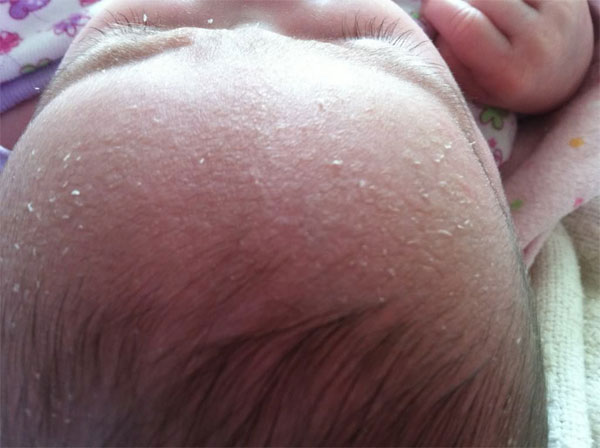
Many babies suffer from a version of dandruff called as cradle cap. It is also called as milk crust or honeycomb disease. It appears as patches or flakes of yellowish, crusty skin or as a form of rash. Cradle cap is seen on the scalp and around the
ears, eyebrows, etc. of a baby. Occasionally it may even spread to other parts of the body.
Cradle cap is not a disease. It is merely a skin disorder. It is presumed to affect nearly half of all babies born. This disorder first appears when a baby is around three months old. However, it is not uncommon for a newborn child to also suffer from this disorder.
How is it caused?
Cradle cap is considered to be a form of seborrheic dermatitis, which is specific to newborns and infants. Although it may look bad, the condition itself is harmless. It is initially noticed within the first three months of age and often clears up by the time the baby is a year old. Occasionally, this condition may persist into the childhood years. In cradle cap, the flakes generally do not cause any discomfort to the baby. However, in severe cases, the baby might experience an itching sensation.
The actual cause of cradle cap is not known. However, cradle cap is not due to any
allergy or infection. It is also not an indicator of poor hygiene. Most doctors believe that cradle cap is caused due to overactive sebaceous glands in newborns. This is because babies still have some of the mother's hormones in their bodies, after birth. The overactive glands prevent old skin cells from drying up and being discarded. As a result, the skin cells remain attached to the scalp. There is a second school of thought which believes that cradle cap is linked to a baby's immature digestive system. The baby cannot absorb adequate amounts of B-complex
vitamins from its food, leading to a scaly scalp.
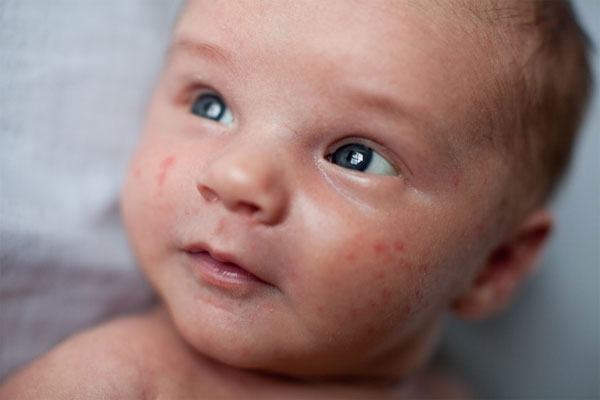
In some cases, a disease may be mistaken as cradle cap. Fungal infections and scabies tend to mimic cradle cap, in their early stages. If the flakes thicken and start turning red, there is a possibility of the baby suffering from a disease. In extremely rare cases, cradle cap is a sign of an immune disorder. In such situations, cradle cap is accompanied by other conditions such as persistent diarrhoea. However, only a doctor can confirm if the baby is merely suffering from cradle cap or has another underlying problem.
How is cradle cap treated?
Cradle cap does not need to be 'treated' since it is not really a disease. However, for aesthetic purposes, most parents prefer to remove the flakes once in a while. The most common method followed is to shampoo a baby's scalp with a mild baby shampoo. This is followed by gently rubbing or brushing the baby's scalp so that the flakes fall out. At the most, this treatment can be done twice a week. Excess shampooing tends to dry out a baby's skin, due to the chemical ingredients present.
If the flakes are too firmly attached to the baby's scalp, they may first be loosened by rubbing some almond or olive oil on the scalp for around fifteen minutes. This loosens the scales, which can then be brushed off gently, using a soft brush or a cloth. This is followed by a wash with a mild baby shampoo.
Cradle cap usually clears up on its own. The condition itself is generally a mild form and does not require any specialised treatment. Occasionally, it may reappear when the child grows older. However, there is no cause for concern. If in doubt, your child's doctor can examine her and put your mind at ease.