Backansweringbychildrenisoftenasourceoffrustrationformanyparents.Behaviouralproblemsinchildrendifferineverychild,butfacingbackansweringfromchildrenissomethingallparentshavetodealwithatsomepointoftime.Readonhowtodealwiththehabitofbacktalkinginchildren.Smitawasaworriedmother.Herdaughteralloffouryearshadbecomeadifficultchildnowadays.ShehadstartedbacktalkingtoSmitamanyatime.When,Smitawouldtellherdaughter,“Pleaseputyourplatebackinthekitchenaftereating”,shewouldgetbackreplieslike“Ihavebetterthingstodo.”Thesesortofreplieswerebecomingmoreandmorecommonbyherdaughter.Smitawasworriedandinafixastohowtotacklethisproblem.Atsomepointbackansweringisdonebyallchildren.Itcanbefrustratingtodealwithanddisruptspeaceathome.Backtalkingisunacceptablebehaviourandnoteacher,relativeoranyotheradultappreciatesadisrespectfulchild.InthisarticleBackTalkingbyChildren–WhyitHappens?HowtoDealwithBackTalkingbyKidsBack-TalkatDifferentAgesSometimesitisHealthyBackTalkingbyChildren–WhyitHappens?Oftenchildrenmodelbehaviourthattheyareexposedtointheirsurroundings.Isyourkidexposedtoconstantbackansweringandfightingbyotherpeople?Ifheisexposedtothiskindofbehaviourregularly,thenyoushoulddosomethingtochangeit.Ifheisencounteringthesekindsofsituationsregularly,thenitmakessensetochangetheenvironmentandsurroundingofyourchild.Backtalkingisjustachild’swayofassertingtheirindependence.Itisanormalstageinchilddevelopment.However,itmustbecontrolledwhenitstartsoritmaybecomeworseandoutofcontrolandsoonbecomeahabitforyourchild.Thesearesomeeffectivewaystodealwithbacktalkingbychildren.HowtoDealwithBackTalkingbyKidsAccordingtoanexpert,observeyourchildforthreedays.Observewhatyourchildsaid,whatthesituationwasandhowyourespondedback.Seeifyoufindapattern.BeaGoodRoleModelYes,itisimportanttobeagoodrolemodelforyourchild.Parentsarethebiggestrolemodelforchildren.Veryoften,whenyouseeverywell-manneredandpolitechildrenalotofcreditgoestotheparents.Awell-behavedchildwithgoodvaluesisnotbornbyaccident,itistheparent’seffortinraisingthechildrenwell.Veryoften,parentsthemselvesaresarcasticandrudeintheirbehaviourtowardstheirspouseorchildren,whichthechildrencopy.TeachyourChildProperCommunicationMethodsSometimes,achildmaynotknowhowtocommunicateinaproperfashion.Sitdownwithyourchildandexplaintothemappropriatewaystocommunicate.Teachthemhowtheyshouldaskforthingsrespectfully.However,alsomakethemknowthatjustbecausetheyspokerespectfully,theirwishwillnotbeanswered.EncourageRespectfulBehaviourMostofthetime,weonlypointouttheflawsandnegativebehaviourinchildren.Instead,watchwhentheyaregoodandencouragethem.Encouragingchildrenreinforcesthemtobehaveinthesameway.Forexample,“Ireallylikeyourrespectfultone”or“ThankyouforlisteningtomesopolitelywhenIwastalking,that’sshowsyouareagoodboy.”BeingFirmwithChildrenMakeitknowntoyourchildthatthiskindofbehaviourisunacceptable.Tellhimfirmlythatvoicetonemustbeatnormallevels.Screaming,yelling,usingbadwordsandname-callingisnotacceptableinthehousehold.Back-TalkatDifferentAgesCommonback-talkbyatoddlerisusually“No!”and“Why?”Although,youmightfeellikescreamingatyourtoddler,stopyourself.Donotshowyourexasperation.Sometimes,ifheobservesthatyougetirritatedwiththiskindofbehaviourtheytendtodoitmore.Aback-talkingtoddlerisasignthatheisgrowingintohisownpersonandhissearchforindependenceisreallyacausetobehappyabout.Back-talkbyschool-agechildrenisusually“Youdonotunderstand”or“Itisnotfair.”Childrenatthisageareveryconcernedbywhattheirpeersthinkratherthanwhatyouthink.Acommonback-talkbypre-teensisgenerally“What’sthebigdeal!”Back-talkbyteenagersisgenerallylike“Leavemealone”and“It’sallyourfault.”SometimesitisHealthyHowever,parentsshouldnotoverreacteverytimeachildquestionssomethingthattheyhavesaid.Childrengrowbyaskingquestionsandchallenging.Giveyourchildthebenefitofdoubt.Maybe,hehasalegitimateinquiryandisright.Listentowhathehastosay,ratherthantickinghimoffimmediately.Parentsshouldnotlabeltheirchildasrudeordisobedientimmediately.Achildneedstoknowthatheissafetoaskquestions.
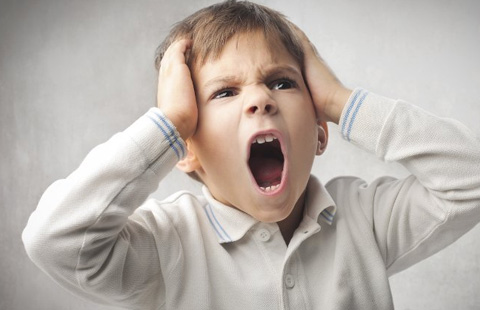
Back answering by children is often a source of frustration for many parents. Behavioural problems in children differ in every child, but facing back answering from children is something all parents have to deal with at some point of time. Read on how to deal with the habit of back talking in children. Smita was a worried mother. Her daughter all of four years had become a difficult child nowadays. She had started back talking to Smita many a time. When, Smita would tell her daughter, “Please put your plate back in the kitchen after eating”, she would get back replies like “I have better things to do.” These sort of replies were becoming more and more common by her daughter. Smita was worried and in a fix as to how to tackle this problem.
At some point back answering is done by all children. It can be frustrating to deal with and disrupts peace at home. Back talking is unacceptable behaviour and no teacher, relative or any other adult appreciates a disrespectful child.
Back Talking by Children – Why it Happens?
Often children model behaviour that they are exposed to in their surroundings. Is your kid exposed to constant back answering and fighting by other people? If he is exposed to this kind of behaviour regularly, then you should do something to change it. If he is encountering these kinds of situations regularly, then it makes sense to change the environment and surrounding of your child.
Back talking is just a child’s way of asserting their independence. It is a normal stage in child development. However, it must be controlled when it starts or it may become worse and out of control and soon become a habit for your child. These are some effective ways to deal with back talking by children.
How to Deal with Back Talking by Kids
According to an expert, observe your child for three days. Observe what your child said, what the situation was and how you responded back. See if you find a pattern.
Be a Good Role Model Yes, it is important to be a good role model for your child. Parents are the biggest role model for children. Very often, when you see very well-mannered and polite children a lot of credit goes to the parents. A well-behaved child with good values is not born by accident, it is the parent’s effort in raising the children well. Very often, parents themselves are sarcastic and rude in their behaviour towards their spouse or children, which the children copy.
Teach your Child Proper Communication Methods Sometimes, a child may not know how to communicate in a proper fashion. Sit down with your child and explain to them appropriate ways to communicate. Teach them how they should ask for things respectfully. However, also make them know that just because they spoke respectfully, their wish will not be answered.
Encourage Respectful Behaviour Most of the time, we only point out the flaws and negative behaviour in children. Instead, watch when they are good and encourage them. Encouraging children reinforces them to behave in the same way. For example, “I really like your respectful tone” or “Thank you for listening to me so politely when I was talking, that’s shows you are a good boy.”
Being Firm with Children Make it known to your child that this kind of behaviour is unacceptable. Tell him firmly that voice tone must be at normal levels. Screaming, yelling, using bad words and name-calling is not acceptable in the house hold.
Back-Talk at Different Ages
Common back-talk by a toddler is usually “No!” and “Why?” Although, you might feel like screaming at your toddler, stop yourself. Do not show your exasperation. Sometimes, if he observes that you get irritated with this kind of behaviour they tend to do it more. A back-talking toddler is a sign that he is growing into his own person and his search for independence is really a cause to be happy about.
Back-talk by school-age children is usually “You do not understand” or “It is not fair.” Children at this age are very concerned by what their peers think rather than what you think. A common back-talk by pre-teens is generally “What’s the big deal!” Back-talk by teenagers is generally like “Leave me alone” and “It’s all your fault.”
Sometimes it is Healthy
However, parents should not over react every time a child questions something that they have said. Children grow by asking questions and challenging.
Give your child the benefit of doubt. Maybe, he has a legitimate inquiry and is right. Listen to what he has to say, rather than ticking him off immediately. Parents should not label their child as rude or disobedient immediately. A child needs to know that he is safe to ask questions.