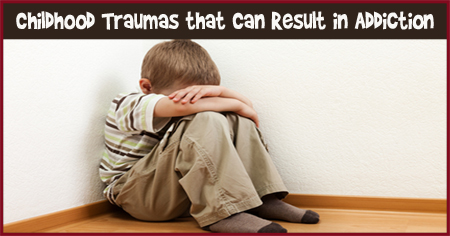
Experts are of the opinion that traumatic events during childhood affect the brain of children in reality which leads to depression and addiction. Read on to learn how and which of the childhood traumas can result in addiction.Specialists, while researching causes for addiction in teens and adults, found that many of the addicted persons had experienced trauma during childhood. However, it is not always essential that trauma during childhood will result in depression or addiction. There are many children who forget about incidents if they are offered sufficient love, care and support.It has been proved a long time back that abusive experiences of childhood results in behavioural problems in teens and adults. Children require right care from caregivers to survive. If a child has some painful stressing experiences, it results in mal-development. In this articleWhy Childhood Trauma Can Result In Addiction?Categories of Painful CircumstancesThe Main Cause Behind AddictionThe Role of Parents in Preventing Childhood TraumasWhy Childhood Trauma Can Result In Addiction?Every trauma has consequences depending on the way that human being handles stress. Childhood traumas like physical, emotional or sexual abuse or abandonment changes the physical stress mechanism in children. Such things can make children more reactive to stress even after they grow up. Studies show that high percentage of addicted adults have experienced childhood traumas of different types.Categories of Painful CircumstancesFamily violenceFrequent fights between parentsParental divorceDrug or alcohol abuse in familyPhysical abuseSexual abuseEmotional abuseAbandonmentTerrorismIn all the above circumstances, sexual abuse is the most wrong-doer. Adults falling into substance addiction when examined it was found that the adults who were sexually abused as children revealed abnormalities in flow of blood to brain. Also, the brains of children who did not receive any treatment or support are smaller than normal.The Main Cause Behind AddictionEvery trauma results in stress and stress has everything to do with addiction. The hormones released during stress affects virtually every organ including heart, lungs, muscles and, of course, emotional centres in the brain. This affects the system in the body that checks, balances and responds to threats.It is seen that if a children are stressed early in life, they will be more reactive and overactive. They can be triggered very easily and they are more anxious and distressed. If children experience stress abuse, their physical stress mechanism gets affected even for neglect, abandonment or abuse of lower level. If these circumstances are repeated, children will become more reactive to stress throughout their adult life.The Role of Parents in Preventing Childhood TraumasIf you understand how severe stress and trauma affects a child’s mind and body, you can realize that it can lead to addictions and other mental illnesses. Usually, adults with history of childhood trauma enter into addiction because they consciously or unconsciously look for safety and control. It makes them feel better, at least for the time being.It is always the ‘fear’ that drives to post trauma behaviours. So, what you need to do is focus the healing on getting rid of fear. Parents should take help of interesting activities or even yoga to help children reduce anxiety, transform fear and help them have increased ability to manage their emotions.If something undesirable happens, you should not expect any change overnight. Offer the child or the person opportunity to change. Let him or her feel that the outer world has enormous healing potential and he or she needs to learn how to access it. It is advisable to opt for better treatment as soon as possible. However, if you want to prevent this to happen, the best way is to keep children away from all traumas and treat them with love and kindness.What kind of traumatic experiences can have devastating effects on children? How to avoid exposing children to traumatic experiences? What to do if children experience traumas? Discuss here.
Experts are of the opinion that traumatic events during childhood affect the brain of children in reality which leads to depression and addiction. Read on to learn how and which of the childhood traumas can result in addiction.Specialists, while researching causes for addiction in teens and adults, found that many of the addicted persons had experienced trauma during childhood. However, it is not always essential that trauma during childhood will result in
depression or addiction. There are many children who forget about incidents if they are offered sufficient love, care and support.
It has been proved a long time back that abusive experiences of childhood results in behavioural problems in teens and adults. Children require right care from caregivers to survive. If a child has some painful stressing experiences, it results in mal-development.
Why Childhood Trauma Can Result In Addiction?
Every trauma has consequences depending on the way that human being handles
stress. Childhood traumas like physical, emotional or sexual abuse or abandonment changes the physical stress mechanism in children. Such things can make children more reactive to stress even after they grow up. Studies show that high percentage of addicted adults have experienced childhood traumas of different types.
Categories of Painful Circumstances
- Family violence
- Frequent fights between parents
- Parental divorce
- Drug or alcohol abuse in family
- Physical abuse
- Sexual abuse
- Emotional abuse
- Abandonment
- Terrorism
In all the above circumstances,
sexual abuse is the most wrong-doer. Adults falling into substance addiction when examined it was found that the adults who were sexually abused as children revealed abnormalities in flow of blood to brain. Also, the brains of children who did not receive any treatment or support are smaller than normal.
The Main Cause Behind Addiction
Every trauma results in stress and stress has everything to do with addiction. The hormones released during stress affects virtually every organ including heart, lungs, muscles and, of course, emotional centres in the brain. This affects the system in the body that checks, balances and responds to threats.
It is seen that if a children are stressed early in life, they will be more reactive and overactive. They can be triggered very easily and they are more anxious and distressed. If children experience stress abuse, their physical stress mechanism gets affected even for neglect, abandonment or abuse of lower level. If these circumstances are repeated, children will become more reactive to stress throughout their adult life.
The Role of Parents in Preventing Childhood Traumas
If you understand how severe stress and trauma affects a child’s mind and body, you can realize that it can lead to addictions and other mental illnesses. Usually, adults with history of childhood trauma enter into addiction because they consciously or unconsciously look for safety and control. It makes them feel better, at least for the time being.
It is always the ‘fear’ that drives to post trauma behaviours. So, what you need to do is focus the healing on getting rid of fear. Parents should take help of interesting activities or even
yoga to help children reduce anxiety, transform fear and help them have increased ability to manage their emotions.
If something undesirable happens, you should not expect any change overnight. Offer the child or the person opportunity to change. Let him or her feel that the outer world has enormous healing potential and he or she needs to learn how to access it. It is advisable to opt for better treatment as soon as possible. However, if you want to prevent this to happen, the best way is to keep children away from all traumas and treat them with love and kindness.
What kind of traumatic experiences can have devastating effects on children? How to avoid exposing children to traumatic experiences? What to do if children experience traumas? Discuss here.