Howcanparentshelpchildrenwithautism?Parentsofautisticchildrenhavetocopewiththeeverydaychallengesofthedisorder.Apositiveapproachandgoodemotionalwellbeinghelpstoovercomethechallenges.Readontoknowsomestrategiesforcopingwiththechallengesofautism.Formostparentsitisnoteasytoraiseadevelopmentallychallengedchild.Majorityoffamiliesfeeldevastateduponbeingtoldabouttheirchildnotbeingnormal.Somechildrenarebornautisticwhileinothersthisdisordercomestolightafterseveralmonthsoryears.Incertainrarecasesparentsmaybeinformedofthechancesoftheirchildbeingbornautisticbeforebirthitself.Immediatelyaftercomingtoknowoftheirchildbeingdevelopmentallychallenged,mostfamiliesfeelshattered.Autismisadevelopmentaldisorderforwhichthereisnoclearcutcauseortreatment.Parentsintheirdesperationtohelptheirchildlookforsupportinallpossibleways.Thepurposeofthisarticleistoshareafewstrategieswhichcanbeusedbyparentsofautisticchildrentocopewitheverydaychallenges.InthisarticleEmotionalWellBeingoftheParentsJointheAutisticChild’sWorldPraiseEmotionalWellBeingoftheParentsItisperfectlynormalforparentstofeelupsetuponlearningabouttheirchild’sdevelopmentaldisorder.However,forparentstoproactivelytakepartintheprocessofdevelopmentoftheirchilditisessentialtofirstgetaholdovertheirownemotionalreactions.Boththeparentsandtheirmarriagecanbeseverelyaffectedbysuchdevelopmentaldisordersinachild.Oneofgreatestconcernswhichfamiliesofautisticchildrenhaveiswhathappenstotheirchildwhentheparentsthemselvesarenolongerabletocareofthechild.Thisisaveryvalidconcern.However,theimmediaterequirementafterbeingdiagnosedwiththisdisorderisearlyinterventionandtreatment.Hence,insteadofworryingaboutthefutureparentsmustseeksupportswiftlyandbepreparedtotakeontheresponsibilityofhelpingtheirchilddevelop.JointheAutisticChild’sWorldAgreatamountofskillandunderstandingofthisdisorderisrequiredtojoinanautisticchildinherworld.Thereisnopointinmakingdemandsoraskinganautisticchildtoperform.Autisticchildrenprefertobeleftalonemostofthetime.Whenforcedtoanswerquestionsespeciallyinfrontofanaudiencethechildmayjustwithdrawordotheoppositeofwhatisbeingasked.Hence,itisveryimportantforparentsandimmediatecaregiverstojointhepersonalworldoftheautisticchildwithoutexpectinganythinginreturn.Bydoingsothechildwillfeellovedandbereadytoinvolveherparentsinwhatevershedoes.Itwillfosterinasenseofbelongingandmakethechildopenuptohercaregiverseasily.Mostautisticchildrenhavesomesubjectofspecialinterests.Makinguseofthespecialinterestisanexcellentwayforparentstoengagethechild.Encouragingthechildinthismannerwillprovidethemuchneededemotionalengagementandasenseofbeingvaluedbyothers.PraiseWhenparentsareoverwhelmedandfacedwithdevelopmentalchallengeschancesarethattheywilleasilyfallintothecriticismtrap.Inthiscontexttisimportanttobearinmindonebasicbehaviouralprinciple-whateverbehaviourparentspayattentionto-andthekindofattentiontheyprovideeitherpositiveornegativewillincreaseoveraperiodoftime.Thisimpliesthatifthecaregiverskeepcriticisingachildallthetimewithoutanypraise,thebehaviourthatisbeingcriticizedwillsimplyincrease.Onthesamelinespositivepraiseforgoodbehaviourwillfosterpositivechangesinachild.Thesimplestofpositivethingsparentscandoistoletthechildknowhowmuchsheislovedandkeeppraisingherforallhereffortshoweversmallitmayseem.
How can parents help children with autism? Parents of autistic children have to cope with the everyday challenges of the disorder. A positive approach and good emotional well being helps to overcome the challenges. Read on to know some strategies for coping with the challenges of autism. For most parents it is not easy to raise a developmentally challenged child. Majority of families feel devastated upon being told about their child not being normal. Some children are born autistic while in others this disorder comes to light after several months or years. In certain rare cases parents may be informed of the chances of their child being born autistic before birth itself.
Immediately after coming to know of their child being developmentally challenged, most families feel shattered. Autism is a developmental disorder for which there is no clear cut cause or treatment. Parents in their desperation to help their child look for support in all possible ways. The purpose of this article is to share a few strategies which can be used by parents of autistic children to cope with everyday challenges.
Emotional Well Being of the Parents
It is perfectly normal for parents to feel upset upon learning about their child’s developmental disorder. However, for parents to proactively take part in the process of development of their child it is essential to first get a hold over their own emotional reactions. Both the parents and their marriage can be severely affected by such developmental disorders in a child.
One of greatest concerns which families of autistic children have is what happens to their child when the parents themselves are no longer able to care of the child. This is a very valid concern. However, the immediate requirement after being diagnosed with this disorder is early intervention and treatment. Hence, instead of worrying about the future parents must seek support swiftly and be prepared to take on the responsibility of helping their child develop.
Join the Autistic Child’s World
A great amount of skill and understanding of this disorder is required to join an autistic child in her world. There is no point in making demands or asking an autistic child to perform.
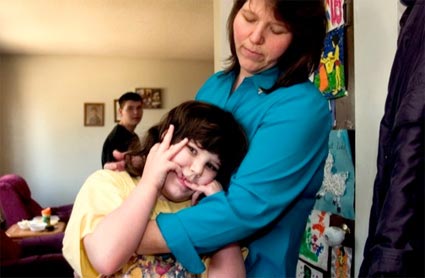
Autistic children prefer to be left alone most of the time. When forced to answer questions especially in front of an audience the child may just withdraw or do the opposite of what is being asked. Hence, it is very important for parents and immediate care givers to join the personal world of the autistic child without expecting anything in return. By doing so the child will feel loved and be ready to involve her parents in whatever she does. It will foster in a sense of belonging and make the child open up to her caregivers easily.
Most autistic children have some subject of special interests. Making use of the special interest is an excellent way for parents to engage the child. Encouraging the child in this manner will provide the much needed emotional engagement and a sense of being valued by others.
Praise
When parents are overwhelmed and faced with developmental challenges chances are that they will easily fall into the criticism trap. In this context t is important to bear in mind one basic behavioural principle- whatever behaviour parents pay attention to - and the kind of attention they provide either positive or negative will increase over a period of time. This implies that if the caregivers keep criticising a child all the time without any praise, the behaviour that is being criticized will simply increase. On the same lines positive praise for good behaviour will foster positive changes in a child. The simplest of positive things parents can do is to let the child know how much she is loved and keep praising her for all her efforts however small it may seem.