When planning for conception, there are many factors that are to be kept in mind for ensuring good health of the baby. Sexually transmitted diseases like Gonorrhea, Chlamydia, Syphilis are very fatal during pregnancy both for the pregnant woman and the unborn child. Tests for sexually transmitted diseases should be done before planning conception. Read on to know about effects of sexually transmitted diseases on pregnancy.Gonorrhea, Chlamydia, and syphilis are caused by bacterial infections and are perhaps the most common sexually transmitted diseases. If these diseases are found in pregnant women, the unborn baby can get affected even before he is born in this world and cause the termination of the pregnancy as well. It is thus important to check whether you already are suffering from these diseases or are likely to develop in near future. In this articleWhy are Gonorrhea, Chlamydia and Syphilis Dangerous?Cause of ConcernWhy are Gonorrhea, Chlamydia and Syphilis Dangerous? Gonorrhea, Chlamydia, and Syphilis can give rise to serious and fatal health threats in the fetus. The probable problems are like loss of vision, respiratory problems, and infections of the blood, joints and even the eyes. These diseases also affect the well-being of the mother. It is therefore important that the diseases, if present are first treated with antibiotics much prior to the conception. They help to clear the bacterial infection and prepare the body for pregnancy. Gonorrhea, Chlamydia, and Syphilis can be passed on from the mother to the baby during delivery and result in complications like. Birth of a premature baby, in most cases the delivery takes place before completing 37 weeksThe membranes of the sac that the baby is enclosed within the womb gets ruptured before the commencement of the labour painThe pregnancy can get terminatedThe baby can develop an eye infection, conjunctivitis and in some cases it becomes so acute that it might lead to partial or complete loss of visionA wide variety of birth defectsPneumoniaDeath of the fetus or baby soon after birth These are the reasons why Gonorrhea, Chlamydia, and Syphilis must be checked. Women with risk factors must all the more make it a point to ensure the good health of the baby. The positive point is that the woman can be effectively treated even if she is diagnosed during her pregnancy term. Cause of Concern With Gonorrhea and Chlamydia, it can be a serious concern as they are often found to display no symptoms at all. Often the symptoms are so mild that they are mistaken for urinary or vaginal tract infection. In women, these are the usual symptoms. Yellowish vaginal dischargeFeeling of pain during urination and the visits to the toilet is too frequentVaginal bleeding between menstrual cyclesPainful rectal bleeding with or without discharge These diseases must also be tested for the male partner before planning conception. In men, the usual symptoms are as follows. Painful or painless discharge from the penisBurning and painful sensation during urinationPainful rectal bleeding with or without discharge These diseases can in turn enhance the complications like result in pelvic inflammatory disease (PID) when the bacteria from the vagina reach the uterus, ovary and fallopian tubes. If the woman is untreated after contacting Gonorrhea or Chlamydia, PID is sure to follow which can lead to a series of complications like infertility. Ectopic pregnancy can also result, which often follows PID. The fallopian tubes get scarred and eventually rupture. This can lead to heavy bleeding and excruciating pain. These diseases are usually contacted sexually. It is advisable to limit the sexual partners and always use condoms when you are not with your regular partner. It also helps to learn about your partner’s sexual history as often no symptoms are displayed in infected people. Gonorrhea and Chlamydia are tested for the presence of bacteria in urine or cervical swab sample. Syphilis test is done through blood test for the presence of antibodies that the body naturally produces in case of an infection.
When planning for conception, there are many factors that are to be kept in mind for ensuring good health of the baby. Sexually transmitted diseases like Gonorrhea, Chlamydia, Syphilis are very fatal during pregnancy both for the pregnant woman and the unborn child. Tests for sexually transmitted diseases should be done before planning conception. Read on to know about effects of sexually transmitted diseases on pregnancy.Gonorrhea, Chlamydia, and syphilis are caused by bacterial infections and are perhaps the most common sexually transmitted diseases. If these diseases are found in pregnant women, the unborn baby can get affected even before he is born in this world and cause the termination of the pregnancy as well. It is thus important to check whether you already are suffering from these diseases or are likely to develop in near future.
Why are Gonorrhea, Chlamydia and Syphilis Dangerous?
Gonorrhea, Chlamydia, and Syphilis can give rise to serious and fatal health threats in the fetus. The probable problems are like loss of vision, respiratory problems, and infections of the blood, joints and even the eyes. These diseases also affect the well-being of the mother. It is therefore important that the diseases, if present are first treated with antibiotics much prior to the conception. They help to clear the bacterial infection and prepare the body for pregnancy.
Gonorrhea, Chlamydia, and Syphilis can be passed on from the mother to the baby during delivery and result in complications like.
Birth of a premature baby, in most cases the delivery takes place before completing 37 weeks
The membranes of the sac that the baby is enclosed within the womb gets ruptured before the commencement of the labour pain
The pregnancy can get terminated
The baby can develop an eye infection, conjunctivitis and in some cases it becomes so acute that it might lead to partial or complete loss of vision
A wide variety of birth defects
Pneumonia
Death of the fetus or baby soon after birth
These are the reasons why Gonorrhea, Chlamydia, and Syphilis must be checked. Women with risk factors must all the more make it a point to ensure the good health of the baby. The positive point is that the woman can be effectively treated even if she is diagnosed during her pregnancy term.
Cause of Concern
With Gonorrhea and Chlamydia, it can be a serious concern as they are often found to display no symptoms at all. Often the symptoms are so mild that they are mistaken for urinary or vaginal tract infection. In women, these are the usual symptoms.
Feeling of pain during urination and the visits to the toilet is too frequent
Vaginal bleeding between menstrual cycles
Painful rectal bleeding with or without discharge
These diseases must also be tested for the male partner before planning conception. In men, the usual symptoms are as follows.
Painful or painless discharge from the penis
Burning and painful sensation during urination
Painful rectal bleeding with or without discharge
These diseases can in turn enhance the complications like result in pelvic inflammatory disease (PID) when the bacteria from the vagina reach the uterus, ovary and fallopian tubes. If the woman is untreated after contacting Gonorrhea or Chlamydia, PID is sure to follow which can lead to a series of complications like infertility.
Ectopic pregnancy can also result, which often follows PID. The fallopian tubes get scarred and eventually rupture. This can lead to heavy bleeding and excruciating pain.
These diseases are usually contacted sexually. It is advisable to limit the sexual partners and always use condoms when you are not with your regular partner. It also helps to learn about your partner’s sexual history as often no symptoms are displayed in infected people.
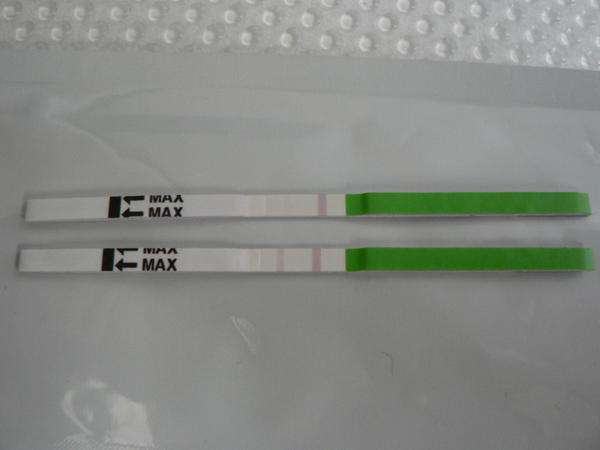
Gonorrhea and Chlamydia are tested for the presence of bacteria in urine or cervical swab sample. Syphilis test is done through blood test for the presence of antibodies that the body naturally produces in case of an infection.
Sorry. Due to our site's regulations and policies, your message has not been posted. Our moderating team has been notified about your message. If the message is found to be genuine and still did not get posted, you may not post the message again as it will automatically get posted for you within 24hrs time (excluding weekends).
- The Indiaparenting Team
How are Gonorrhea, Chlamydia and Syphilis tests conducted? How are Gonorrhea, Chlamydia and Syphilis risky for baby? Why is it necessary to do Gonorrhea, Chlamydia and Syphilis tests before getting pregnant?
maya
hey kala all the best. may be this is too late reply but have u luck with ur pregnancy? do u have a baby yet? want to hear ur success story soon.
...
So sad to know about your miscarriages and ectopic pregnancy. Ectopic pregnancies require emergency treatment.But the good news is that this times all your reports are normal.Don´ t worry. Take c...
Win Court Case Spell to give you Judge results on
Win Court Case Spell to give you Judge results on your side call +25676305 ... - Professor Mandelaread >>
Sperm donor
North Indian male. Excellent gene pool. Drug/disease free. PhD. Secrecy ass ... - Helping handread >>
RE:Need help
Hello... How are you? Hope, all is well. You are from? ... - Dippyread >>
RE:desperately trying to get pregnant
Yes. Ganotherapy will help to balance hormones in body. ... - Dippyread >>
Learn secrets to reduce tantrums, screen time & anxiety
💬
WhatsApp-based | 10 Minutes a Day
Trusted by
10,000+
Moms
Since 1999
Limited Spots Left!
10,000+ moms already joined
C.E.O. Mom Transformation!
Please verify your details before we redirect you to WhatsApp:
Full Name *
Gender *
WhatsApp Number *
🇺🇸 +1
WhatsApp Number (If you are outside India, please include your country code, e.g., +1, +971, etc.)
Email
Country
City
🎉
Thank You!
Join the C.E.O. Mom Community!
Welcome to a space where empowered moms connect, learn, and grow together.
You’re about to be redirected to our WhatsApp group, where we share event details, reminders, and daily parenting tips - so you never miss a thing!