Teaching manners to kids is important for their overall development. Find out how you can teach manners to kids at home and the importance of good manners.How good does it feel when you find a kid saying ‘please’ and ‘thank you’? Be it your own child, or someone else’s? When you find your kid behaving right, you will know that you are doing something right, and vice-versa. For education, we have our schools, for understanding religion, we have our temples, but for teaching manners, kids begin at home. Kids learn what they find being practiced in their immediate environment. Remember, they are extremely observant and good imitators. So if they find you behaving well, half your job is already done. Here are some simple tips on how you can teach manners to kids at home: In this articleTalking MannersSaying Thank You and PleaseNot Touching or Picking Up ThingsHolding the Door Whenever RequiredAvoid StaringOffering Seats to Older PeopleBeing CalmTalking Manners Teach the kid that it is not proper to interrupt when someone is talking and similarly allow the kid to complete his sentence and do not interrupt him. Give your kid the attention that is required when he speaks. He will learn from your behaviour and will show respect to others when they speak. Saying Thank You and Please Always say thank you when your kid hands over something to you. Say ‘please’ when you ask your kid to do something. He will notice this and simultaneously teach him that it is good manners to say thank you when someone does something for you or praises you or to say please while requesting. Not Touching or Picking Up Things Teach your kid that it is not proper to touch things that are laid down in tables or showcases in their own home or others. Help them understand that those things are placed there to look at and not for touching. Holding the Door Whenever Required When you enter the room, hold the door for the kid to enter or for anyone else who is following. The kid will learn this behaviour and hold the door when he enters or leaves the room and make you a proud parent. Avoid Staring Whenever you come across someone who dresses differently or of a different skin colour, you will find the kid staring. Teach the kid that there can be people who are different and it is perfectly normal. Staring is a bad manner and he will learn to accept people as they are. Offering Seats to Older People When you find an older person standing beside you in a bus, train, park or lounge, stand up and offer your seat. Your kid will notice this and follow suit. Teach them that it is desired of us to show respect to elders. Being Calm Make it a point that you do not yell and scream when you lose your temper. Firstly, you need to practice to control your own temper and refrain from behaving in a manner that is not required. If the kid finds you screaming and yelling when you are angry, he will learn that it is ok to scream and show anger. Finally, remember, punishment is a part of teaching and not a means to reproach. If the kid has done something inappropriate, he needs to be told that it is not done and he ought to face the consequences of his action. This should be a preventive measure so that the kid does not repeat the mistake and learns that he did something wrong. But then you also need to show love as a parent, give him a hug and squeeze and tell him that what is done is done, and he must not repeat the mistake. Do not stretch the incident further, it will only add to his discomfort which in turn will make him feel unpleasant and hide. Your behaviour and actions must be educative, a model behaviour and foster love and trust.
Teaching manners to kids is important for their overall development. Find out how you can teach manners to kids at home and the importance of good manners.
How good does it feel when you find a kid saying ‘please’ and ‘thank you’? Be it your own child, or someone else’s? When you find your
kid behaving right, you will know that you are doing something right, and vice-versa. For education, we have our schools, for understanding religion, we have our temples, but for teaching manners, kids begin at home.
Kids learn what they find being practiced in their immediate environment. Remember, they are extremely observant and good imitators. So if they find you behaving well, half your job is already done. Here are some simple tips on how you can teach manners to kids at home:
Talking Manners
Teach the kid that it is not proper to interrupt when someone is talking and similarly allow the kid to complete his sentence and do not interrupt him. Give your kid the attention that is required when he speaks. He will learn from your behaviour and will show respect to others when they speak.
Saying Thank You and Please
Always say thank you when your kid hands over something to you. Say ‘please’ when you ask your kid to do something. He will notice this and simultaneously teach him that it is good manners to say thank you when someone does something for you or praises you or to say please while requesting.
Not Touching or Picking Up Things
Teach your kid that it is not proper to touch things that are laid down in tables or showcases in their own home or others. Help them understand that those things are placed there to look at and not for touching.
Holding the Door Whenever Required
When you enter the room, hold the door for the kid to enter or for anyone else who is following. The kid will learn this behaviour and hold the door when he enters or leaves the room and make you a proud parent.
Avoid Staring
Whenever you come across someone who dresses differently or of a different skin colour, you will find the kid staring. Teach the kid that there can be people who are different and it is perfectly normal. Staring is a bad manner and he will learn to accept people as they are.
Offering Seats to Older People
When you find an older person standing beside you in a bus, train, park or lounge, stand up and offer your seat. Your kid will notice this and follow suit. Teach them that it is desired of us to show respect to elders.
Being Calm
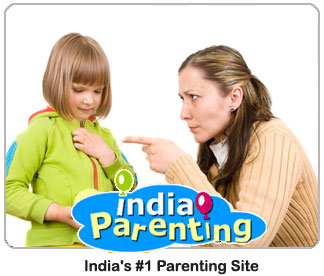
Make it a point that you do not yell and scream when you lose your temper. Firstly, you need to practice to control your own temper and refrain from behaving in a manner that is not required. If the kid finds you screaming and yelling when you are angry, he will learn that it is ok to scream and show anger.
Finally, remember, punishment is a part of teaching and not a means to reproach. If the kid has done something inappropriate, he needs to be told that it is not done and he ought to face the consequences of his action. This should be a preventive measure so that the kid does not repeat the mistake and learns that he did something wrong. But then you also need to show love as a parent, give him a hug and squeeze and tell him that what is done is done, and he must not repeat the mistake. Do not stretch the incident further, it will only add to his discomfort which in turn will make him feel unpleasant and hide. Your behaviour and actions must be educative, a model behaviour and foster love and trust.