For a successful IVF procedure, healthy eggs are needed. Some women are unable to conceive as they are unable to produce healthy eggs. Egg donations help such women in achieving their dream of becoming mothers. Let us learn more about egg donation through the following article. There are many reasons that do not allow women to conceive naturally. Due to certain medical conditions or due to natural reasons, the ovaries of some women are unable to produce healthy eggs that can help them to get pregnant. These women can conceive through the process of egg donation, where a donor offers her healthy eggs for successful conception. In this articleThe Criteria of an Egg DonorHow Does Egg Donation Happen?The Transplant of the Embryo and PregnancyThe Criteria of an Egg Donor Although every woman during her fertile years produces eggs, any woman cannot become an egg donor. There are certain standard criteria that require to be fulfilled although certain variations can be sought by couples. There are also some legal requirements that need to be met. The fertility clinics devise a wide array of policies so that the chances of a successful pregnancy are maximised. It is also taken care of that the donor and the recipient are safe. The egg donors are required to be between a preferable age group. Women between twenty-one to thirty-five years are preferred. Women belonging to a lower limit can ensure that they can yield a probable positive result in a legal contract. If the woman belongs to the upper age limit, it means their response may not be that good to the fertility drugs. There are all chances that the eggs of such an egg donor might be abnormal resulting in a risky pregnancy or the child be born with some defects. Some fertility clinics prefer to choose women as egg donors who have had prior experience of donating eggs or have become a mother. They are considered that they are more fertile and their feelings of anticipating a genetic child who is born as someone else’s offspring. How Does Egg Donation Happen? An egg donor is required to pay quite a number of visits to the fertility clinic before being finally selected for the purpose. The tests that she has to take are: A complete physical check upA detailed gynecological examA documentation of the woman’s family and medical historySeveral blood testsUrine testAn overall psychological evaluation There is a program representative who oversees the entire process in the fertility clinic. A donation does not take place until the woman who is to receive the eggs from the donor, gives her consent. In order to obtain a successful pregnancy using the eggs of an egg donor it is important to go through In Vitro Fertilisation or IVF. The first step in this regard, the ovaries of the egg donor is stimulated with the administration of a series of fertility drugs. This is to maximise the number of eggs at a single go. A number of medical tests are conducted when these drugs are administrated to the donor. The eggs are then removed from the ovaries of the egg donor through a minor surgery. A certain amount of time is required for the recovery from the egg retrieval procedure or the surgery. After this, the treatment cycle for the egg donor is completed. The Transplant of the Embryo and Pregnancy The eggs are then mixed with the sperm of the father in the laboratory, the process is called fertilisation. Some embryos result from this fertilisation; they are allowed to grow in the laboratory dish. Then the best one or the healthiest one amongst them is transferred to the uterus of the mother. The recipient of the egg is then confirmed to be pregnant. After the delivery of the child, she is considered as the birth and legal mother of the child born out of this pregnancy. This is in spite of the fact that the child does not have a genetic relation with the birth mother.
For a successful IVF procedure, healthy eggs are needed. Some women are unable to conceive as they are unable to produce healthy eggs. Egg donations help such women in achieving their dream of becoming mothers. Let us learn more about egg donation through the following article. There are many reasons that do not allow women to
conceive naturally. Due to certain medical conditions or due to natural reasons, the ovaries of some women are unable to produce healthy eggs that can help them to get pregnant. These women can conceive through the process of egg donation, where a donor offers her healthy eggs for successful conception.
The Criteria of an Egg Donor
Although every woman during her fertile years produces eggs, any woman cannot become an egg donor. There are certain standard criteria that require to be fulfilled although certain variations can be sought by couples. There are also some legal requirements that need to be met. The fertility clinics devise a wide array of policies so that the chances of a successful pregnancy are maximised. It is also taken care of that the donor and the recipient are safe.
The egg donors are required to be between a preferable age group. Women between twenty-one to thirty-five years are preferred. Women belonging to a lower limit can ensure that they can yield a probable positive result in a legal contract. If the woman belongs to the upper age limit, it means their response may not be that good to the fertility drugs. There are all chances that the eggs of such an egg donor might be abnormal resulting in a risky pregnancy or the child be born with some defects.
Some fertility clinics prefer to choose women as egg donors who have had prior experience of donating eggs or have become a mother. They are considered that they are more fertile and their feelings of anticipating a genetic child who is born as someone else’s offspring.
How Does Egg Donation Happen?
An egg donor is required to pay quite a number of visits to the fertility clinic before being finally selected for the purpose. The tests that she has to take are:
- A complete physical check up
- A detailed gynecological exam
- A documentation of the woman’s family and medical history
- Several blood tests
- Urine test
- An overall psychological evaluation
There is a program representative who oversees the entire process in the fertility clinic. A donation does not take place until the woman who is to receive the eggs from the donor, gives her consent.
- In order to obtain a successful pregnancy using the eggs of an egg donor it is important to go through In Vitro Fertilisation or IVF.
- The first step in this regard, the ovaries of the egg donor is stimulated with the administration of a series of fertility drugs. This is to maximise the number of eggs at a single go.
- A number of medical tests are conducted when these drugs are administrated to the donor.
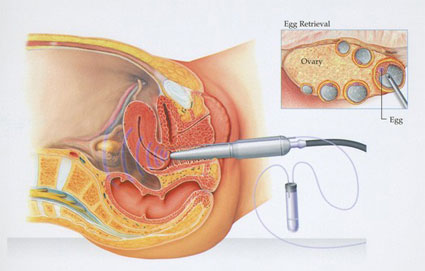
- The eggs are then removed from the ovaries of the egg donor through a minor surgery. A certain amount of time is required for the recovery from the egg retrieval procedure or the surgery.
After this, the treatment cycle for the egg donor is completed.
The Transplant of the Embryo and Pregnancy
The eggs are then mixed with the sperm of the father in the laboratory, the process is called fertilisation. Some embryos result from this fertilisation; they are allowed to grow in the laboratory dish. Then the best one or the healthiest one amongst them is transferred to the uterus of the mother. The recipient of the egg is then confirmed to be pregnant. After the delivery of the child, she is considered as the birth and legal mother of the child born out of this pregnancy. This is in spite of the fact that the child does not have a genetic relation with the birth mother.