Aswegrowolder,mostofchildhoodfearsandanxietiesseemunwarrantedandbaseless.Butforyoungkids,theirlivesareruledbyphobias,worriesandfears.Readontoknowwhatchildrenareafraidofatdifferentstagesoftheirlivesandhowparentscanhelpthemovercometheirfears.Allchildrenexperiencesomefearoranxietyatsomepoint.Evenparentswhentheyweresmallwouldhavehadirrationalfearswhichtheyeventuallygrewoutof.Infactalittlebitofanxietyinchildrenishealthybecauseitwillmakethemcautiousofthings.Alittlebitofanxietyandstresshasalsobeenseentoenhanceperformance.IfachildisscaredofaMathstest,itwouldpropelhimtoworkharder.Mostfearsinchildhoodarecommonandnatural.Researchershavefoundthatmostfearsinchildrengraduallydisappearwithtime.InthisarticleBabiesToddlersKidsSchool-goersTeenagersReassureyourChildDownplayyourownFearsandAnxietiesinfrontofKidsGentlyHelpyourChildFacehisFearsWhenisChildAnxietyaCauseforConcern?CommonFearsandAnxietiesinChildrenatDifferentAgesSomeofthecommonfearsinchildhoodincludefearofthedark,fearofanimals,fearofschool(especiallyinkindergarten).Babies:Babiesexperienceanxietyinthepresenceofstrangers.Whentheyseesomebodytheydonotrecognize,theyimmediatelyclingtotheirparents.Ababysworldissurroundedbyparentalsecurityandcalm.Babiesaresoothedbytheirparents’presence.Regulartouch,eyecontact,talkingorsingingtoyourbabywillhelptoformastrongbondbetweentheparentandthebabyandcreateafoundationoftrust.Toddlers:Toddlersalittleolderbetweentheageof10to18monthsexperienceseparationanxiety.Whenoneorbothparentsarenottheretheybecomeemotionallydistressedandstartcryingattimes.Theyareafraidofthedark,monsters,strangers,anddoctorsaswell!Kids:Kidsbetweentheagesofthreetosixexperiencemostlybedtimefearsofimaginaryfigureslikeghostsormonsters.Theyalsoexperiencefearslikefearofdarkness,fearofsleepingalone,fearofthunderandlightning,fearofanimalsandfearofthedark.School-goers:Childrenbetweentheagesofseventotwelvemayexperiencefearslikefearofbeingaloneathome,fearofsnakesandspiders,fearaboutperformanceinschool.Theymayalsobenervousabouthoweveryonethinksofthemandbedealingwithpeerpressure.Teenagers:Teenagersbetweentheagesofthirteentoseventeenmayhavefearslikefearofrejection,fearofdeath,fearofembarrassment,fearofmakingmistakes,etc.HowtohelpChildrenOvercometheirFearParentscanhelpchildrentoovercometheirfearsinthefollowingways:ReassureyourChildParentscanreassurethechildrenbylisteningtotheirfears.Parentscanhelpbysayingthat"Dontworry,Iwillcomewithyouwhenitisdarktothekitchenorbathroom."Parentsmustnotridiculethefear,mustnottakeitlightlyorshowanger.However,theymustnotgetover-protectiveeither.DownplayyourownFearsandAnxietiesinfrontofKidsManyatimes,achildsfearsarelearnedfromhisparents.Forinstance,ifparentsshowalotofworryaboutabadfinancialsituationinthehouseandconstantlytalkaboutitinfrontoftheirchild,thechildmayalsobegintoworryaboutit.Honestlyshareworrisomeissueswithyourchildifnecessary,butassurethemthatyouarecapableofsortingouttheissuesoon.GentlyHelpyourChildFacehisFearsSometimesjusttalkingtoyourchildabouthisfearswillhelphimrealisethathisfearshavenofoundinginfactandwillhelphimtoeasehisworries.Thenaturaltendencyofaparentistoprotectthechildfromeverythinghefears.Insteadencourageyourchildfacehisfears,allthewhileassuringhimofyourconstantsupport.Forinstance,ifyourchildisafraidofthedark,youcanhelphimbystandinginthehallwayalittledistancefromthedarkroom.Standthereandencourageyourchildtoenterthedarkroomandcomebacktoyou.Assurehimnothingwillhappenandthatyouwillnotmovefromyourspotuntilhereturns.Bepatientbutnotaggressivelyinsistent.Whenyourchildgoesintothedarkroomandreturns,youcantellhim,“See,therewasnothinginthedarktoscareyou.Iknowthatyouwereveryfrightened,butdespitethat,youfacedyourfears.I’mproudofyou!â€Youmighthavetocontinuebolsteringhisconfidencemanymoretimesbutconstantlytrytoencouragehimtofacehisfearsinthismanner.WhenisChildAnxietyaCauseforConcern?Ifthefearoranxietyisofveryhighlevelandinterferingwithnormalactivities,itcanbeacauseofconcern.Thefearmustnotturnintoaphobia.Aphobiaiswhenthefearbecomessevereandextreme.Ifthefeariscausinggreatdistresstothechildandpersistsbeyondthatappropriateage,professionalhelpcanbesought.Thus,usingbypositiveparentingtechniques,parentscanhelpthechildincopingwithchildhoodfearsandovercomingfears.Whatisyourchildafraidof?Howdoyoureacttohisfears?Howcanyouhelpyourchilddealwithandovercomehisfears?Discusshere.
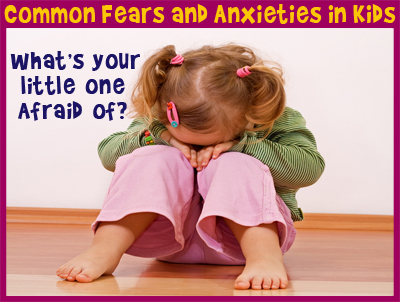
As we grow older, most of childhood fears and anxieties seem unwarranted and baseless. But for young kids, their lives are ruled by phobias, worries and fears. Read on to know what children are afraid of at different stages of their lives and how parents can help them overcome their fears.
All children experience some fear or anxiety at some point. Even parents when they were small would have had irrational fears which they eventually grew out of. In fact a little bit of anxiety in children is healthy because it will make them cautious of things. A little bit of anxiety and stress has also been seen to enhance performance. If a child is
scared of a Maths test, it would propel him to work harder. Most fears in childhood are common and natural. Researchers have found that most fears in children gradually disappear with time.
Common Fears and Anxieties in Children at Different Ages
Some of the common fears in childhood include fear of the dark, fear of animals, fear of school (especially in kindergarten).
Babies:
Babies experience anxiety in the presence of strangers. When they see somebody they do not recognize, they immediately cling to their parents. A baby's world is surrounded by parental security and calm. Babies are soothed by their parents’ presence. Regular touch, eye contact, talking or singing to your baby will help to form a strong bond between the parent and the baby and create a foundation of trust.
Toddlers:
Toddlers a little older between the age of 10 to 18 months experience separation anxiety. When one or both parents are not there they become emotionally distressed and start crying at times. They are afraid of the dark, monsters, strangers, and doctors as well!
Kids:
Kids between the ages of three to six experience mostly bedtime fears of imaginary figures like ghosts or monsters. They also experience fears like fear of darkness, fear of sleeping alone, fear of thunder and lightning, fear of animals and fear of the dark.
School-goers:
Children between the ages of seven to twelve may experience fears like fear of being alone at home, fear of snakes and spiders, fear about performance in school. They may also be nervous about how everyone thinks of them and be dealing with peer pressure.
Teenagers:
Teenagers between the ages of thirteen to seventeen may have fears like fear of rejection, fear of death, fear of embarrassment, fear of making mistakes, etc.
How to help Children Overcome their Fear
Parents can help children to overcome their fears in the following ways:
Reassure your Child
Parents can reassure the children by listening to their fears. Parents can help by saying that "Don't worry, I will come with you when it is dark to the kitchen or bathroom." Parents must not ridicule the fear, must not take it lightly or show anger. However, they must not get over-protective either.
Downplay your own Fears and Anxieties in front of Kids
Many a times, a child's fears are learned from his parents. For instance, if parents show a lot of worry about a bad financial situation in the house and constantly talk about it in front of their child, the child may also begin to worry about it. Honestly share worrisome issues with your child if necessary, but assure them that you are capable of sorting out the issue soon.
Gently Help your Child Face his Fears
Sometimes just talking to your child about his fears will help him realise that his fears have no founding in fact and will help him to ease his worries. The natural tendency of a parent is to protect the child from everything he fears. Instead encourage your child face his fears, all the while assuring him of your constant support.
For instance, if your child is afraid of the dark, you can help him by standing in the hallway a little distance from the dark room. Stand there and encourage your child to enter the dark room and come back to you. Assure him nothing will happen and that you will not move from your spot until he returns. Be patient but not aggressively insistent. When your child goes into the dark room and returns, you can tell him, “See, there was nothing in the dark to scare you. I know that you were very frightened, but despite that, you faced your fears. I’m proud of you!†You might have to continue bolstering his confidence many more times but constantly try to encourage him to face his fears in this manner.
When is Child Anxiety a Cause for Concern?
If the fear or anxiety is of very high level and interfering with normal activities, it can be a cause of concern. The fear must not turn into a phobia. A phobia is when the fear becomes severe and extreme. If the fear is causing great distress to the child and persists beyond that appropriate age, professional help can be sought.
Thus, using by positive parenting techniques, parents can help the child in coping with childhood fears and overcoming fears.
What is your child afraid of? How do you react to his fears? How can you help your child deal with and overcome his fears? Discuss here.