Autism is a common term for a group of symptoms which are marked by neuro-development disorder. Social and communication skills of a child are affected due to autism. Get an insight into autism to know more about this disorder. Autism, a disorder unheard or known by all until the middle of the twentieth century. But, today this disorder affects approximately 3.4% out of every 1,000 children. Little innocent infants are affected with autism which not only distresses their entire life but also causes tension and disturbance in families. So what is autism exactly? This is a question asked frequently by many. Here are the key things you need to know about autism. In this articleA Neurodevelopment DisorderDifficulty in CommunicationThird Most Common DisorderHow Does a Person Having Autism Appear Like? An Insight on AutismHave a quick look at some facts about autism. A Neurodevelopment DisorderAutism is a complex neuro-development disorder which affects the lives of 3-10 year old children. It is a brain disorder which affects our most important human attributes like social functioning, feeling and lifelong impaired thinking. Autism affects the person’s ability to respond to things, form good relationships with people around and also affects its communication skills. Difficulty in CommunicationSocial interaction and difficulty in verbal and non-verbal communication are some of the effects of autism. Such people often express repetitive behaviours and compulsive interests. Autism affects any one of the person’s senses because of which they tend to respond abnormally to sensations. Third Most Common DisorderAutism has been recognised as the third most common development disorder affecting people worldwide. It is also known as ‘spectrum disorder’ due to the severity of symptoms. Mental retardation or seizures are the other problems which may accompany the disorder. Research has estimated that males are more likely to have autism than females. It is estimated that 20 people out of every 10,000 will be autistic with males. Autism today, exists in every socioeconomic and ethnic group. It is a global phenomena found in families coming from all backgrounds. It affects every age group. How Does a Person Having Autism Appear Like? Autism is a brain disorder characterised by changing and abnormal behavioural patterns, however, this does not make the child look different from other children. Autistic children appear like every other child. The I.Q level of children having high functioning autism may be high or normal. They could have a regular school and career life like other children, however, such people may face problems in interacting and mixing up with fellow people. Behavioural patterns in autistic children may vary largely. At times, an autistic child may appear very hyperactive or may be able to switch quickly from one activity to another. At other times, the same child may feel very delighted in repeating the same activity for a longer duration, and may also love to spin and rock him or other items. Autistic children also face speech problems. Some autistic children find it very difficult to develop their speech whereas some develop it but still face problems in communicating via language. A very unusual speech pattern is often exhibited by such children. They may echo whatever is told to them, or even repeat a particular word again and again. They may speak only to express their needs and not emotions. Some autistic children are even sensitive to sound. At times they may feel and hear, but, at other times they may just not hear anything at all. Autism affects the social skills of the child. The child may sing or say poems very nicely, but will not be perform things very well which need active social skills. Playing with toys will be enjoyed by some autistic children, but a few may want to play with things which are not toys. Children having serious or moderate autism will extremely vary from others.
Autism is a common term for a group of symptoms which are marked by neuro-development disorder. Social and communication skills of a child are affected due to autism. Get an insight into autism to know more about this disorder. Autism, a disorder unheard or known by all until the middle of the twentieth century. But, today this disorder affects approximately 3.4% out of every 1,000 children. Little innocent infants are affected with autism which not only distresses their entire life but also causes tension and disturbance in families. So what is autism exactly? This is a question asked frequently by many. Here are the key things you need to know about autism.
An Insight on Autism
Have a quick look at some facts about autism.
A Neurodevelopment Disorder
Autism is a complex neuro-development disorder which affects the lives of 3-10 year old children. It is a brain disorder which affects our most important human attributes like social functioning, feeling and lifelong impaired thinking. Autism affects the person’s ability to respond to things, form good relationships with people around and also affects its communication skills.
Difficulty in Communication
Social interaction and difficulty in verbal and non-verbal communication are some of the effects of autism. Such people often express repetitive behaviours and compulsive interests. Autism affects any one of the person’s senses because of which they tend to respond abnormally to sensations.
Third Most Common Disorder
Autism has been recognised as the third most common development disorder affecting people worldwide. It is also known as ‘spectrum disorder’ due to the severity of symptoms. Mental retardation or seizures are the other problems which may accompany the disorder. Research has estimated that males are more likely to have autism than females. It is estimated that 20 people out of every 10,000 will be autistic with males. Autism today, exists in every socioeconomic and ethnic group. It is a global phenomena found in families coming from all backgrounds. It affects every age group.
How Does a Person Having Autism Appear Like?
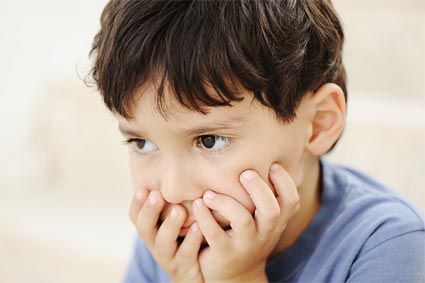
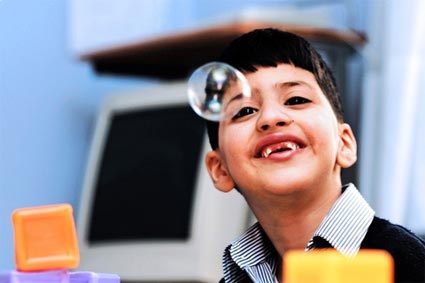
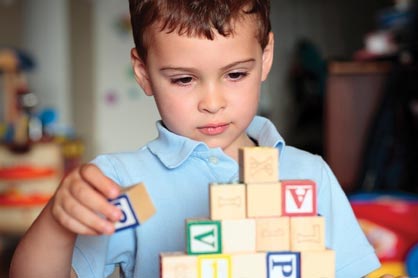
Autism is a brain disorder characterised by changing and abnormal behavioural patterns, however, this does not make the child look different from other children. Autistic children appear like every other child. The I.Q level of children having high functioning autism may be high or normal. They could have a regular school and career life like other children, however, such people may face problems in interacting and mixing up with fellow people.
Behavioural patterns in autistic children may vary largely. At times, an autistic child may appear very hyperactive or may be able to switch quickly from one activity to another. At other times, the same child may feel very delighted in repeating the same activity for a longer duration, and may also love to spin and rock him or other items.
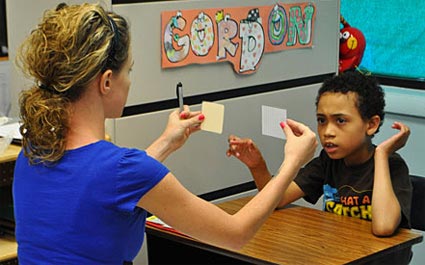
Autistic children also face speech problems. Some autistic children find it very difficult to develop their speech whereas some develop it but still face problems in communicating via language. A very unusual speech pattern is often exhibited by such children. They may echo whatever is told to them, or even repeat a particular word again and again. They may speak only to express their needs and not emotions.
Some autistic children are even sensitive to sound. At times they may feel and hear, but, at other times they may just not hear anything at all. Autism affects the social skills of the child. The child may sing or say poems very nicely, but will not be perform things very well which need active social skills.
Playing with toys will be enjoyed by some autistic children, but a few may want to play with things which are not toys. Children having serious or moderate autism will extremely vary from others.