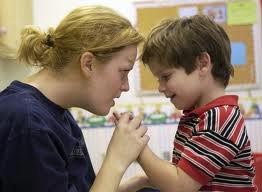
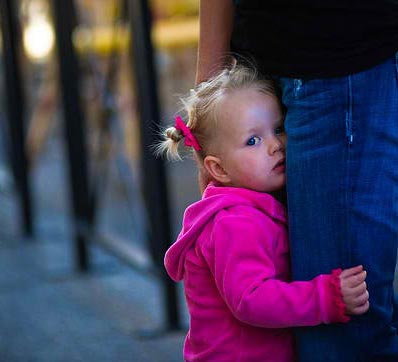
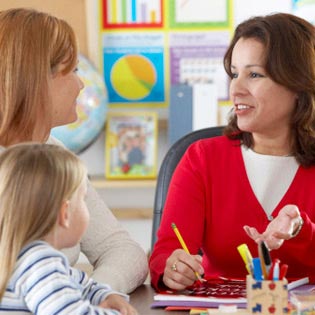
As a preschooler your kid might be having some problems from time to time. He may have some problems with his teacher like not responding to her. The key to dealing with the situation is with a presence of mind. Read on to know how to deal with such problems.The kid is getting a taste of the real world that is beyond the cocoon of his loving home for the first time when he admitted to the preschool. If the kid did not get a chance to meet his teacher in a casual setting before being formally admitted in the preschool, there are chances that he may not feel comfortable with the teacher. In such a situation, the preschooler may not respond to the teacher. This is a great cause of worry for the parents as they will not only be receiving complaints from the teachers but the child’s development will also suffer.
Know the Reasons why the Kid is not Responding to the Teachers
Whenever your preschooler comes up to you with a problem, do not have this urge to immediately run to the school and seek an explanation from the teacher. This is a common mistake that parents tend to do. It is natural that your kid is dear to you and you are definitely not pleased if your kid is having problems with the caregiver that you entrusted your kid. It is also true that as a parent you are prone to listening and believing your kid. But it is important for you to listen and understand the situation properly. Your objective is to help the child and aid the development of the kid.
Be Sure First
Listen patiently to the kid. Probe into what he is saying by asking questions until you are able to form a clear idea of what might have happened in school. More often than not you will discover that your preschooler happened to misunderstand a certain comment or action by the teacher and has since stopped responding to her. He feels antagonistic about her. Here, the onus is upon you to figure out if the problem lies with the child or the teacher. It can be an issue with both.
How Will you go About it?
- Your primary task is to make the kid understand that the job of the teacher is to teach him and help him in his lessons. However it is normal to have problems and he should learn to resolve the issues without being confrontational.
- Initially, you need to step aside. Allow the child to get a hang of the reason behind the issue. This is basically a conflict resolution lesson for him which you can use to your advantage in practically teaching the kid to solve issues through his own accord.
- You are not only helping him to become self sufficient but enhancing his self esteem and confidence by degrees too. Make the most of it by keeping the lines of communication open and continuously talking to your child. This will help you to understand what he is thinking and what he is up to.
- You can step in if you find that he is not able to figure out the issue. Be patient and subtle in your approach and never give the impression that you are working on your own independent ideas. The kid should be able to completely trust you.
What Happens Next?
As he realizes the situation his attitude would gradually change and his antagonistic behavior will also change. He will stop feeling negative about his teacher and will be more open to talk to her/him and resume the lines of communication. This happens when he realizes that there is nothing personal in the issue and his job is to learn in the preschool.
If you find that the situation cannot be handled by the kid and it is escalating, you can place a quick call to the teacher or schedule and after school meeting. You should make it a point to behave fairly and not overreact. As a parent you can be defensive towards your kid, but you also need to understand that the teacher too might be concerned about the needs of his child. So keep faith that s/he will also take necessary steps to resolve the issue.
If the problem still persists, a school councilor should be the last resort. He can resolve the issue by acting as a mediator and then the involvement of the director or the principal might also be necessary. Parents need to be particular about their role, they should aid the resolution of the issue and help the kid respond to the teacher again as his development ought to be your only concern. A polite, professional and considerate attitude will surely yield results.