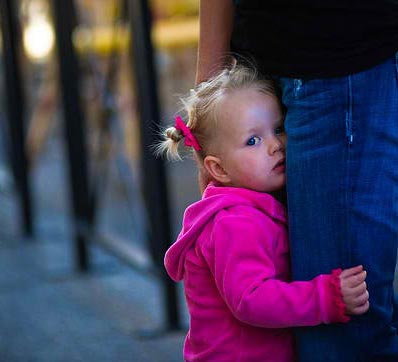
When does a child become shy? It is important to understand that shyness ensues when the kid is uncomfortable in a given situations. An initial shyness is very common in preschoolers but it can be a cause of worry if it persists and the child displays such symptoms in every occasion. Then it might well lead to a social behavior disorder that should be taken care of right at the preliminary level.
It is easier when the parents are aware that their child is shy when they are just three or four months old. But most of the times it takes years for the parents to realize that their kid was shy. So when you find your preschooler showing signs of shyness consistently, take note of certain situations. Here is how you can help them overcome:
Be the Ideal Example
Leading through example is the best way to teach a kid anything as they learn primarily through observation and imitation. Remember as you respond to different social situations, your child is continuously observing you. So be sure that you do the following actions when you are in the company of your preschooler –
- Be the first one to greet with a ‘hello’ or ‘hi’ when you begin conversation with someone. Go ahead and talk to strangers. When you are in the store greet people out there.
- Give compliments to people whom you meet during your evening walk or in the mall, your friends or relatives.
- Go ahead and help those who are in need.
- Be warm when you make introductions and shake hands.
- Never ever avoid a social gathering. If you are shy yourself get over it. Put your best foot forward and talk. Your confidence will rub on to your preschooler as well.
The Next Step is to Prepare the Kid
Your preschooler has to now be a part of several activities, events and workshops. As you talk to your kid and get him acquainted with what all is about to happen, simultaneously give him some time to prepare himself. Tell them what they are about to expect, encourage them to ask their doubts and listen to their concerns before patiently solving them out.
- Help him to think positive
- Shyness results from pessimism. Uproot it and help your preschooler turn into a positive thinker.
- Give him loads of positive encouragement
- Assure him by saying that you like him a lot
- Remind him of his positive qualities and the successes he has made
- When your child expresses his concerns counter every negative thought with a reason. As you ask him what makes him nervous or anxious, be an affectionate and patient listener. Most often, simple talking is enough to overcome the anxiety and shyness.
Such interactions will help him develop a better self-image.
Practice Situations
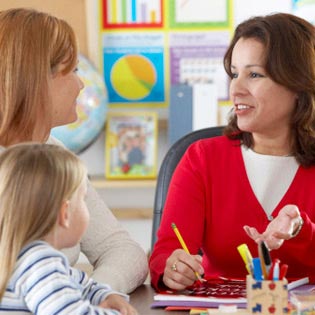
- Take him to meet the teachers and converse with them in a friendly way. Let him realize that there is nothing to be afraid of the teachers and they are primarily there to help them out with their games and lessons.
- Create social situations at home. Take them along as you meet new people and make new friends. Engage into a bit of role playing as you seek ideas from them on things like what do you I should wear today or what game should we play today.
- Build a positive and encouraging environment by inviting kids of their age from the neighbourhood, school or friends/relatives for a play date or even weekend sleepovers.
- Arrange for sports and other extracurricular activities that are exciting to your kid.
Finally parents need to note that you cannot help your preschooler overcome shyness by doing things for him. It will not help him if you answer questions on his behalf on social situations. You also need to challenge your kid without pushing him too hard. Give time for him to respond and the lines of communications should always be open. Gradually he will become outgoing and overcome shyness. He will find social interactions more of fun and revel in it.