Register | Login
Login
Sign in with:
---------- OR ----------
Create Account | Login
Create account
As a Member You Can:
  • Join clubs to discuss your interests
  • Connect with people like you
  • Share information, seek advice, get support

   
parenting
 
Women's Health Topics..

 
You are here : home > Women's Health > Problems Associated with Menopause > Changes in the Skeletal System (Osteoporosis)

Changes in the Skeletal System (Osteoporosis)

Changes in the Skeletal System (Osteoporosis)

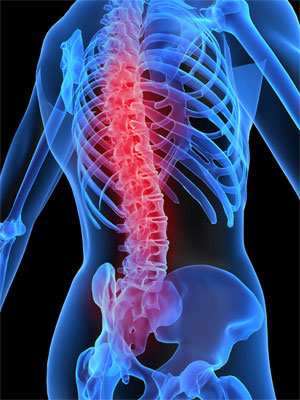
There are many changes in the skeleton of women after menopause. Women have increased risk of osteoporosis. This is due to de-mineralisation of bones.

What is osteoporosis?

Weakening of bones that causes them to become brittle and that may increase the risk of fracture is known as osteoporosis. It is also known as thinning of bones or bone loss. Due to this condition, the bones of hip, forearms and vertebrae in the spine are more susceptible to fracture. Even a minor injury may cause bones to break due to this condition. A person may have to undergo persistent pain in case of broken bone or fracture which may affect his or her ability to do normal activities properly. Women are more susceptible to this disorder during menopause due to the reduction in the production of oestrogen hormone.

Is there a risk of osteoporosis because of menopause?

Yes. Approximately 50% of bone loss occurs in the first 5 to 7 years of menopause Thus, the risk of osteoporosis increases tremendously at menopause.

How does menopause affect the skeletal system (bones)?

De-mineralisation of bone is potentially the most serious long-term consequence of human menopause. Peak bone mass is reached in the third decade of life. Thereafter there is a progressive reduction in bone mass, with an accelerated loss following menopause. The precise mechanism of bone loss is uncertain. There is an increase in bone turnover, which disrupts the remodelling process, with bone resorption exceeding formation.

What are the common symptoms of osteoporosis?

Osteoporosis cannot be merely diagnosed on the basis of symptoms. Many individuals are unaware of this condition prevailing in them until they get a bone fracture. Pain and reduction in height are some of the common symptoms that may be experienced by individual with this disorder.

What are the other causes of osteoporosis?

As mentioned above, decrease in the production of oestrogen can make women susceptible to osteoporosis. Inadequate intake of calcium and lack of Vitamin D can also be responsible for this disorder. Although, osteoporosis is common in women after menopause, it may also prevail in younger women who have stopped menstruating or are coping with disorders like anorexia.
Low testosterone levels in men can also be responsible for osteoporosis in them. Disorders like hyperparathyroidism which are responsible for the loss of calcium are also one of the common causes for osteoporosis. Low calcium is may affects the bone health thereby causing osteoporosis.
Other than the above mentioned causes, there are few more things that can give rise to this condition. Let us take a look at such causes.
  • Sedentary lifestyle
  • Certain medications
  • Thyroid problems
  • excessive smoking
  • Taking alcoholic drinks excessively
  • Certain disorders like cystic fibrosis or multiple myeloma

How to deal with osteoporosis?

Managing osteoporosis through medications is one of the traditional ways to deal with this disorder. Other than medications, following a correct exercise programme under the supervision of expert can also help to get relief. Other techniques like physiotherapy, massage, acupressure, acupuncture, using braces and support can also help to deal with osteoporosis. Breathing and relaxation techniques are also used in order to divert the attention from pain. In case if all of the above motioned remedies fail to provide the relief, surgery may be recommended by doctors.

What are the ways to prevent osteoporosis?

Let us take a look at the useful ways to prevent osteoporosis.
  • Include calcium rich foods in your diet. You can also take calcium supplements prescribed by your doctor.
  • Eat healthy, eat right! A diet having foods with low glycemic index is known to reduce the risk of osteoporosis.
  • Avoid aerated drinks.
  • Exercise regularly.
  • Practise stress management techniques.
  • Get yourself some morning sunlight if possible to get Vitamin D.
Getting your hormone levels regularly checked and following right remedies as per your doctor’s suggestion can also help to reduce the possibility of getting affected with osteoporosis.


You may also be interested in:

Cardiovascular Diseases
(14506 views)
Psychological Changes
(20087 views)
Vaginal Changes
(19214 views)
Cancel
Save Edit
parenting
Notifications
72 Comments
Sort by Newest

avatar

load more comments
Back to Previous Page   |   More on Women's Health Index


Subscribe


All tips on Problems Associated With Menopause
You ever wanted in one place.
No need to go anywhere else. No spam.

*No spam only genuine emails
Follow us on:


Featured Articles - Infertility | Baby Development | Health and Fitness | How to Get Pregnant | Parenting Advice | Weight Loss | Pregnancy Advice | Name Numerology
Baby - Baby Photo Contest | Lucky Names | Lucky Birthdates | Horoscopes | Chinese Calendar | Compatibility Test | Fun Zone
Parenting - Message Boards | Planning a Baby | Pregnancy | Parents of Babies | Baby Names | Baby Name Poll | Birth Announcements | Parenting Quiz
Family - Cooking Club | Love & Relationships | Beauty Tips | Kids Weight Calculator | Recipe Maker
General - Calorie Counter | Personality Quiz | Love Signs | Compatibility Quiz