When the production of the hormone prolactin by the pituitary is very excessive (hyperprolactinaemia), it interferes with the normal secretion of F.S.H. This can result in the development of oligomenorrhoea or amenorrhoea. Bromocriptine is prescribed to women with hyperprolactinaemia, or excessive prolactin hormone. In this articleWhen is Bromocriptine prescribedWhat is hyperprolactinaemiaWhat are the causes of hyperprolactinaemiaHow is Bromocriptine administeredFor how long should Bromocriptine be continuedWhen is Bromocriptine prescribedBromocriptine is prescribed to women with hyperprolactinaemia, or excessive prolactin hormone. What is hyperprolactinaemia When the production of the hormone prolactin by the pituitary is very excessive (hyperprolactinaemia), it interferes with the normal secretion of F.S.H. This can result in the development of oligomenorrhoea or amenorrhoea. Estrogen levels may be low and "hot flushes" and vaginal dryness and discomfort with intercourse may also occur. In addition, discharge from the nipple (galactorrhoea) may be a feature of this condition in about one third of these women. What are the causes of hyperprolactinaemia Drug therapy including some tranquilizers and blood pressure lowering agents can raise prolactin levels. In addition, stress and trauma are factors that lead to a temporary rise in prolactin. A special X-ray of the area of the skull containing the pituitary gland or preferably a CAT Scan should be done for all women with a significantly raised prolactin level. This is done to check whether or not the pituitary is enlarged, because very occasionally a benign (non-malignant) minute tumor of the pituitary is responsible for extremely high prolactin levels. However, even in situations where a tumor is found, the treatment is medical with Bromocriptine and only very rarely is surgery recommended. How is Bromocriptine administered The effective dosage of Bromocriptine is one 2.5 mg tablet 2-3 times per day. However, this dosage is reached very slowly, usually starting on half a tablet a day and gradually over a week or so building up the dose. It is however essential that Bromocriptine be taken on a full stomach, else the result could be intense nausea, vomiting and diarrhea. Other occasional side effects include dizziness, headaches and general lassitude. Once you are maintained on the effective dosage of Bromocriptine, the prolactin level will be rechecked, to confirm that it has fallen. For how long should Bromocriptine be continued Bromocriptine is continued each day until there is evidence on the B.B.T. Chart that a pregnancy may have occurred. Treatment is then discontinued. The response to treatment including the re-establishment of a normal menstrual cycle in most women is very rapid. As long as there is no other cause of the infertility, 80% of women with hyperprolactinaemia will become pregnant on Bromocriptine. Bromocriptine has not been shown to cause any problem to the unborn baby. If there is no evidence of ovulation on Bromocriptine alone, the addition of clomiphene can be very helpful.
When the production of the hormone prolactin by the pituitary is very excessive (hyperprolactinaemia), it interferes with the normal secretion of F.S.H. This can result in the development of oligomenorrhoea or amenorrhoea. Bromocriptine is prescribed to women with hyperprolactinaemia, or excessive prolactin hormone.
Bromocriptine is prescribed to women with hyperprolactinaemia, or excessive prolactin hormone.
What is hyperprolactinaemia
When the production of the hormone prolactin by the pituitary is very excessive (hyperprolactinaemia), it interferes with the normal secretion of F.S.H. This can result in the development of oligomenorrhoea or amenorrhoea. Estrogen levels may be low and "hot flushes" and vaginal dryness and discomfort with intercourse may also occur. In addition, discharge from the nipple (galactorrhoea) may be a feature of this condition in about one third of these women.
What are the causes of hyperprolactinaemia
Drug therapy including some tranquilizers and blood pressure lowering agents can raise prolactin levels. In addition, stress and trauma are factors that lead to a temporary rise in prolactin. A special X-ray of the area of the skull containing the pituitary gland or preferably a CAT Scan should be done for all women with a significantly raised prolactin level. This is done to check whether or not the pituitary is enlarged, because very occasionally a benign (non-malignant) minute tumor of the pituitary is responsible for extremely high prolactin levels. However, even in situations where a tumor is found, the treatment is medical with Bromocriptine and only very rarely is surgery recommended.
How is Bromocriptine administered
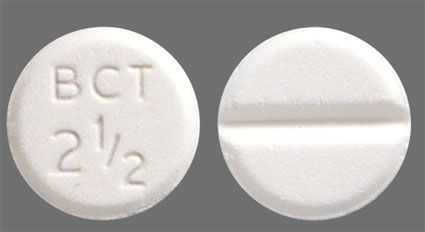
The effective dosage of Bromocriptine is one 2.5 mg tablet 2-3 times per day. However, this dosage is reached very slowly, usually starting on half a tablet a day and gradually over a week or so building up the dose. It is however essential that Bromocriptine be taken on a full stomach, else the result could be intense nausea, vomiting and diarrhea. Other occasional side effects include dizziness, headaches and general lassitude. Once you are maintained on the effective dosage of Bromocriptine, the prolactin level will be rechecked, to confirm that it has fallen.
For how long should Bromocriptine be continued
Bromocriptine is continued each day until there is evidence on the B.B.T. Chart that a pregnancy may have occurred. Treatment is then discontinued. The response to treatment including the re-establishment of a normal menstrual cycle in most women is very rapid. As long as there is no other cause of the infertility, 80% of women with hyperprolactinaemia will become pregnant on Bromocriptine. Bromocriptine has not been shown to cause any problem to the unborn baby. If there is no evidence of ovulation on Bromocriptine alone, the addition of clomiphene can be very helpful.
Sorry. Due to our site's regulations and policies, your message has not been posted. Our moderating team has been notified about your message. If the message is found to be genuine and still did not get posted, you may not post the message again as it will automatically get posted for you within 24hrs time (excluding weekends).
- The Indiaparenting Team