Ever wanted to be Top Gun or captain an aircraft carrier? Walk into these museums to relive the glory days of the Indian armed forces. Almost every little boy grows up with the dream of being a fighter pilot. Few actually do. For those whose dreams of joining the armed forces have fallen short, there are numerous armed forces museums where they can learn about the achievements of the Indian armed forces. These museums are often maintained by the armed forces in pristine conditions and they are situated all over India. In this articlePalam Air Force Museum, DelhiNaval Aviation Museum, Dabolim, GoaINS Vikrant, MumbaiKursura Submarine Museum, Vizag Palam Air Force Museum, Delhi The Palam Air Force Museum is the ideal stop for aspiring pilots to spend a lazy Sunday afternoon soaking in the accolades of the Indian Air Force. Located near the technical area gate of Palam Air Force Station, a half-hour drive from Indira Gandhi International Airport, the Palam Air Force Museum usually goes unnoticed by visitors to Delhi. The museum is open every Wednesday to Sunday, from ten a.m. to five p.m. The Air Force museum is split into two—an annexe and a main hangar. As you enter the annexe, you will revel in the history of the Indian Air Force laid out in a pictorial form, as photographs adorning the walls. This section traces the growth of the Air Force, from its early days in Risalpur to latest group photographs of the current top echelons. The section also has miniature models of aircrafts that have been in service in the Indian Air Force. The second section of the annex celebrates certain officers and pilots that have made significant contributions during their service in the Second World War. There is also a photo of IAF legend Wing Commander K. K. Majumdar who was the only Indian Officer during the Second World War to win the Distinguished Flying Cross twice. The annexe also has a number of small arms, medals, and ceremonial swords on display. The hangar section of the museum showcases a number of vintage aircraft. On display is the first plane to fly through the Khyber Pass in 1929, two Hunter fighter bombers and a Sukhoi 7. Airplane enthusiasts will love to have a look at the Hurricane, Tempest, and Lysander of Second World War fame. The museum also has a twin tail vampire jet fighter plane in the hangar. Naval Aviation Museum, Dabolim, Goa If the Air Force Museum at Palam whets your appetite, it is time for you to fly over to the Naval Aviation Museum at Goa. Situated at Bogmalo Beach near Dabolim, this museum allows you to get up close and personal with various aircrafts. This is the second largest aviation museum in India. This museum boasts of 12 aircrafts, one of which is the Lockheed Super Constellation. The Lockheed Constellation is the largest aircraft on display and the exhibit allows visitors to walk through the plane, right into the cockpit. There are aircrafts from the World War II era, such as the Fairy Firefly. There is also a tiny Hughes Hu300 helicopter which is dwarfed by a Westland Sea King and Chetak Helicopter. If you are a modern war bird enthusiast, there is a BAe Sea Harrier. Indoor exhibits at this museum highlight how various safety equipments on an aircraft work. One such exhibit is an ejector seat, used by Lt. Cdr. S. Chitnis, who successfully used it to eject from a Kiran at Viskhapatnam, in 1999. There are also separate sections that highlight various armaments used by the Navy and sensors that are deployed in aircrafts. There is a massive mock-up of the INS Vikrant, Indias first aircraft carrier in one of the interior galleries. The museum is open to visitors on all days from ten in the morning to four in the evening, and is closed on Mondays and national holidays. INS Vikrant, Mumbai If planes are not your cup of tea, it is time to join the Navy. The best way to find your sea legs is to take in what life might be on the INS Vikrant in Mumbai. The INS Vikrant is a majestic, light aircraft carrier. Now decommissioned, it has been converted into a floating museum at the naval dockyard in Mumbai. The Vikrant played a critical role in the 1971 war. She played a key role in sinking several Pakistani patrol boats and other naval vessels even though she had a crack in her boiler. The boiler is an important part of any steam engine and its purpose is to produce steam which drives the ships propulsion system. The museum, which is only open to the public a few weeks in a year, allows visitors to take a tour of the entire ship. From the bowels of the engine room to the landing deck, the Vikrant has been peppered with numerous displays that are related to its rich naval history. The landing deck of the aircraft carrier houses a Sea Hawk, a Chetak, and a Westland helicopter each. Viewers can step inside the Westland. Visitors are also allowed to take a closer look at the cockpit of the Sea Hawk. The carriers main hangar below the landing deck has been modified to hold most of the exhibits. These range from medals and arms to equipment used by the navy during operations, such as scuba gear, decompression chambers, armaments, and several aircrafts. The tour through the carrier is well planned and covers all the major sections of the ship from the infirmary and the pilots ready room, where pilots were briefed about the objectives of their mission before they embarked, to the control tower and bridge of the ship. Kursura Submarine Museum, Vizag If you fancy a stealthier career below the waves, you would want to take in the Kursura Submarine Museum at Vizag. Situated on R K beach, this is a one of a kind museum in India. This Soviet built 1-641 class submarine has been berthed in a special enclosure on the beach. The submarine has been converted into a museum and made accessible to tourists. Visitors need not worry about having to enter through the coning tower. Instead a special door and walkway have been cut into the side of the submarine allowing easy access. The submarine gives an idea of life on a submarine. It showcases its entire weapons package including torpedoes. The museum showcases milestones of evolution of the submarine defence fleet through photographs, written scripts, and artefacts.
Ever wanted to be Top Gun or captain an aircraft carrier? Walk into these museums to relive the glory days of the Indian armed forces. Almost every little boy grows up with the dream of being a fighter pilot. Few actually do. For those whose dreams of joining the armed forces have fallen short, there are numerous armed forces museums where they can learn about the achievements of the Indian armed forces. These museums are often maintained by the armed forces in pristine conditions and they are situated all over India.
The Palam Air Force Museum is the ideal stop for aspiring pilots to spend a lazy Sunday afternoon soaking in the accolades of the Indian Air Force. Located near the technical area gate of Palam Air Force Station, a half-hour drive from Indira Gandhi International Airport, the Palam Air Force Museum usually goes unnoticed by visitors to Delhi. The museum is open every Wednesday to Sunday, from ten a.m. to five p.m. The Air Force museum is split into two—an annexe and a main hangar. As you enter the annexe, you will revel in the history of the Indian Air Force laid out in a pictorial form, as photographs adorning the walls. This section traces the growth of the Air Force, from its early days in Risalpur to latest group photographs of the current top echelons. The section also has miniature models of aircrafts that have been in service in the Indian Air Force. The second section of the annex celebrates certain officers and pilots that have made significant contributions during their service in the Second World War. There is also a photo of IAF legend Wing Commander K. K. Majumdar who was the only Indian Officer during the Second World War to win the Distinguished Flying Cross twice. The annexe also has a number of small arms, medals, and ceremonial swords on display. The hangar section of the museum showcases a number of vintage aircraft. On display is the first plane to fly through the Khyber Pass in 1929, two Hunter fighter bombers and a Sukhoi 7. Airplane enthusiasts will love to have a look at the Hurricane, Tempest, and Lysander of Second World War fame. The museum also has a twin tail vampire jet fighter plane in the hangar.
Naval Aviation Museum, Dabolim, Goa
If the Air Force Museum at Palam whets your appetite, it is time for you to fly over to the Naval Aviation Museum at Goa. Situated at Bogmalo Beach near Dabolim, this museum allows you to get up close and personal with various aircrafts. This is the second largest aviation museum in India. This museum boasts of 12 aircrafts, one of which is the Lockheed Super Constellation. The Lockheed Constellation is the largest aircraft on display and the exhibit allows visitors to walk through the plane, right into the cockpit. There are aircrafts from the World War II era, such as the Fairy Firefly. There is also a tiny Hughes Hu300 helicopter which is dwarfed by a Westland Sea King and Chetak Helicopter. If you are a modern war bird enthusiast, there is a BAe Sea Harrier. Indoor exhibits at this museum highlight how various safety equipments on an aircraft work. One such exhibit is an ejector seat, used by Lt. Cdr. S. Chitnis, who successfully used it to eject from a Kiran at Viskhapatnam, in 1999. There are also separate sections that highlight various armaments used by the Navy and sensors that are deployed in aircrafts. There is a massive mock-up of the INS Vikrant, India's first aircraft carrier in one of the interior galleries. The museum is open to visitors on all days from ten in the morning to four in the evening, and is closed on Mondays and national holidays.
INS Vikrant, Mumbai
If planes are not your cup of tea, it is time to join the Navy. The best way to find your sea legs is to take in what life might be on the INS Vikrant in Mumbai. The INS Vikrant is a majestic, light aircraft carrier. Now decommissioned, it has been converted into a floating museum at the naval dockyard in Mumbai. The Vikrant played a critical role in the 1971 war. She played a key role in sinking several Pakistani patrol boats and other naval vessels even though she had a crack in her boiler. The boiler is an important part of any steam engine and its purpose is to produce steam which drives the ship's propulsion system. The museum, which is only open to the public a few weeks in a year, allows visitors to take a tour of the entire ship. From the bowels of the engine room to the landing deck, the Vikrant has been peppered with numerous displays that are related to its rich naval history. The landing deck of the aircraft carrier houses a Sea Hawk, a Chetak, and a Westland helicopter each. Viewers can step inside the Westland. Visitors are also allowed to take a closer look at the cockpit of the Sea Hawk. The carrier's main hangar below the landing deck has been modified to hold most of the exhibits. These range from medals and arms to equipment used by the navy during operations, such as scuba gear, decompression chambers, armaments, and several aircrafts. The tour through the carrier is well planned and covers all the major sections of the ship from the infirmary and the pilots' ready room, where pilots were briefed about the objectives of their mission before they embarked, to the control tower and bridge of the ship.
Kursura Submarine Museum, Vizag
If you fancy a stealthier career below the waves, you would want to take in the Kursura Submarine Museum at Vizag. Situated on R K beach, this is a one of a kind museum in India. This Soviet built 1-641 class submarine has been berthed in a special enclosure on the beach. The submarine has been converted into a museum and made accessible to tourists. Visitors need not worry about having to enter through the coning tower. Instead a special door and walkway have been cut into the side of the submarine allowing easy access. The submarine gives an idea of life on a submarine. It showcases its entire weapons package including torpedoes. The museum showcases milestones of evolution of the submarine defence fleet through photographs, written scripts, and artefacts.
Sorry. Due to our site's regulations and policies, your message has not been posted. Our moderating team has been notified about your message. If the message is found to be genuine and still did not get posted, you may not post the message again as it will automatically get posted for you within 24hrs time (excluding weekends).
- The Indiaparenting Team
Have you ever wanted to join the armed forces? Should the armed forces be more open to allowing access to the public for educational purposes? Do you think the armed forces need to do more to encourage quality Indian talent to join?
sagar
Do these museums have interesting relics of wars, military operatipons etc. Would love to view these things? Informative displays are fine, but you need genuine relics to complete the museum experi...
Meena
I think that most museums can have some interactive displays using screens, videos , power points or some ambient sounds. ...
Nageshwar
I had never heard about these armed forces museums before as far as Ican recall. These would be a great way for civilians to learn something about the miilitary and how it operates. This is something ...

















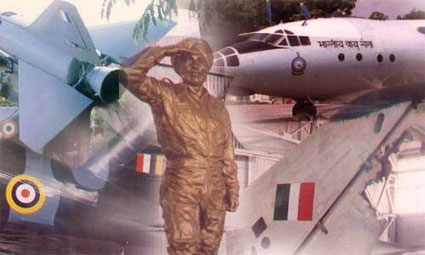
 The Palam Air Force Museum is the ideal stop for aspiring pilots to spend a lazy Sunday afternoon soaking in the accolades of the Indian Air Force. Located near the technical area gate of Palam Air Force Station, a half-hour drive from Indira Gandhi International Airport, the Palam Air Force Museum usually goes unnoticed by visitors to Delhi. The museum is open every Wednesday to Sunday, from ten a.m. to five p.m. The Air Force museum is split into two—an annexe and a main hangar. As you enter the annexe, you will revel in the history of the Indian Air Force laid out in a pictorial form, as photographs adorning the walls. This section traces the growth of the Air Force, from its early days in Risalpur to latest group photographs of the current top echelons. The section also has miniature models of aircrafts that have been in service in the Indian Air Force. The second section of the annex celebrates certain officers and pilots that have made significant contributions during their service in the Second World War. There is also a photo of IAF legend Wing Commander K. K. Majumdar who was the only Indian Officer during the Second World War to win the Distinguished Flying Cross twice. The annexe also has a number of small arms, medals, and ceremonial swords on display. The hangar section of the museum showcases a number of vintage aircraft. On display is the first plane to fly through the Khyber Pass in 1929, two Hunter fighter bombers and a Sukhoi 7. Airplane enthusiasts will love to have a look at the Hurricane, Tempest, and Lysander of Second World War fame. The museum also has a twin tail vampire jet fighter plane in the hangar.
  If planes are not your cup of tea, it is time to join the Navy. The best way to find your sea legs is to take in what life might be on the INS Vikrant in Mumbai. The INS Vikrant is a majestic, light aircraft carrier. Now decommissioned, it has been converted into a floating museum at the naval dockyard in Mumbai. The Vikrant played a critical role in the 1971 war. She played a key role in sinking several Pakistani patrol boats and other naval vessels even though she had a crack in her boiler. The boiler is an important part of any steam engine and its purpose is to produce steam which drives the ship's propulsion system. The museum, which is only open to the public a few weeks in a year, allows visitors to take a tour of the entire ship. From the bowels of the engine room to the landing deck, the Vikrant has been peppered with numerous displays that are related to its rich naval history. The landing deck of the aircraft carrier houses a Sea Hawk, a Chetak, and a Westland helicopter each. Viewers can step inside the Westland. Visitors are also allowed to take a closer look at the cockpit of the Sea Hawk. The carrier's main hangar below the landing deck has been modified to hold most of the exhibits. These range from medals and arms to equipment used by the navy during operations, such as scuba gear, decompression chambers, armaments, and several aircrafts. The tour through the carrier is well planned and covers all the major sections of the ship from the infirmary and the pilots' ready room, where pilots were briefed about the objectives of their mission before they embarked, to the control tower and bridge of the ship.
  If you fancy a stealthier career below the waves, you would want to take in the Kursura Submarine Museum at Vizag. Situated on R K beach, this is a one of a kind museum in India. This Soviet built 1-641 class submarine has been berthed in a special enclosure on the beach. The submarine has been converted into a museum and made accessible to tourists. Visitors need not worry about having to enter through the coning tower. Instead a special door and walkway have been cut into the side of the submarine allowing easy access. The submarine gives an idea of life on a submarine. It showcases its entire weapons package including torpedoes. The museum showcases milestones of evolution of the submarine defence fleet through photographs, written scripts, and artefacts.