






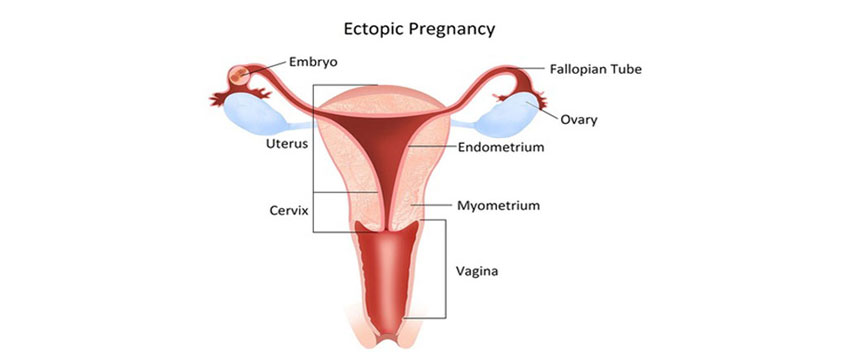
Ectopic pregnancy is the pregnancy occurred outside uterus. Read on to know what ectopic pregnancy is.
The journey of pregnancy starts
when a sperm produced by a male fertilises an ovum produced by a
female. At the very moment of the fusion of the sperm and ovum, a new life starts developing.
The fertilised egg requires enough space to grow, thus it travels
through the fallopian tubes towards the uterus. In a normal pregnancy
the fertilised egg attaches itself to the uterine wall where it grows
further. But sometimes this may not be so and a woman may have to deal
with complications in her pregnancy. Ectopic pregnancy is one form of complicated pregnancies.
What is ectopic pregnancy?
Ectopic pregnancy is pregnancy outside the uterus. In most cases, it is
pregnancy inside the fallopian tube. Rarely an embryo may get implanted
in other tissues like cervix, ovaries, and abdomen.Ectopic pregnancy
has to be removed. It cannot be carried on. It may risk the life of a
mother. Getting diagnosed and treated on time will increase the chances
of normal pregnancy in the future.
Causes of ectopic pregnancy
Though the exact causes of ectopic pregnancy are not clear,
excessive smoking, use of fertility drugs before conception, previous
tubal pregnancy, and the use of IUD are some of the causes of ectopic
pregnancy. Women who opt for pregnancy after the age of 35 are prone to
face many complications including ectopic pregnancy.
A history of pelvic inflammatory disease (PID), caused by sexually transmitted diseases (STDs) like Chlamydia and gonorrhea, may be the cause of ectopic pregnancy. Pelvic inflammatory disease may cause minor damages to the fallopian tubes, thus increasing the risk of an ectopic pregnancy.
Surgeries such as appendix removal and caesarian increase the
chances of complications in the pregnancy. Infection or inflammation of
the fallopian tube may obstruct the way of the fertilised egg heading
towards the uterus. Thus the fertilised egg will end up implanting
itself in the fallopian tube.
Use of the oral contraceptives, irregular shape of the fallopian tubes, previous abortion may increase the risk of the ectopic pregnancy.
Symptoms of ectopic pregnancy
Early symptoms of ectopic pregnancy are hard to detect but a
few important signs can be helpful to raise an alarm. Seeking timely
medical intervention can make a big difference. The following symptoms
may or may not occur only in the case of an ectopic pregnancy but
reporting to a doctor can help identify the problem and deal with it.
- Acute pain in the lower abdomen
- Pain in the lower back, pain while urinating and during bowel movement
- Pelvic pain
- Dizziness
- Mild vaginal bleeding
A woman who is unaware about her pregnancy may mistake an ectopic pregnancy for menstrual blood. Signs of ectopic pregnancy can also be mistaken as symptoms of miscarriage. Increased heartbeats, fainting and sweating are some other signs of ectopic pregnancy.
Ectopic pregnancy diagnosis
A doctor will carry a pelvic examination to detect how severe
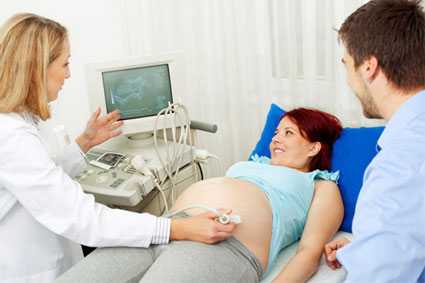
the condition is. An ultrasound test helps to detect the development of
the foetus. An ultrasound test using either handheld probe or the probe meant to be inserted in the vagina will detect ectopic pregnancy.
A physician will probably perform a laparoscopy to verify ectopic pregnancy.
Occurrence of a tubal abortion or a tubal rupture may make it difficult
to detect a pregnancy tissue. A lower HCG level and lower level of
progesterone are indications of abnormal pregnancy.
A physician may consider culdocentesis to diagnose ectopic pregnancy.
Culdocentesis is a procedure where a needle is inserted into the space
at the very top of the vagina, behind the uterus and in front of the
rectum. The existence of blood in this part may signify bleeding from a
ruptured fallopian tube.
Ectopic pregnancy treatment
Methotrexate is given to stop the development of the foetus and
to let the body absorb the pregnancy tissues. Emergency surgery may be
carried out where the damaged fallopian tube will be removed and
control the bleeding. Laparoscopic surgery is performed to remove ectopic pregnancy and to repair the functioning of the fallopian tube.
Ectopic pregnancy does affect fertility. It may increase the chances to have an ectopic pregnancy again. Early diagnosis of ectopic pregnancy will possibly ensure the safety of the mother's life. There are many women who have normal deliveries after a history of ectopic pregnancies.
Trust your health care provider who is the best one to guide you
through your pregnancy. Complications are part of life and you have to
overcome them. Do not lose faith. Remember, faith will move mountains.