Protectingjewelleryisamusttomakeitlastlonger.Protectingjewelleryalsohelpstokeepitcleananddustfree.Ifyouprotectyourjewelleryproperly,youmaynotneedtocleanitfrequently.Readontoknowmoreaboutprotectingyourjewellery.Jewelleryisabiginvestment.Itisthereforeimportantthatyoutakeadequatestepstoprotectyourjewellery.Therearebroadlythreeaspectsofprotection–theft,damageandloss.Youcanobtainhelpfrominsurance,jewelleryorganisersandpropercare;thoughnotnecessarilyinthatorder.Alljewelleryownedbyyoumustbedocumentedsothatyoucanhaveproofiflostorstolen.Youshouldkeepthereceiptsofpurchaseandvideotapeorphotographtheitems.InthisarticleProtectingJewelleryfromDamageCausesforJewelleryDamageIndividualJewelleryProtectionWhatShouldbeAvoidedProtectingJewelleryfromDamageForprotectingthejewelleryfromdamage,youshouldplaceyourpiecesinajewelleryarmoire.Sincethisspecialboxhasanappropriateholderforeverytypeofjewellery,itisagreatplacetokeepyourpiecessafeasthepossibilityofdamageisreducedmanifold.Youhaveareastohangyournecklaces,ringtrees,bangleholdersandseparatespecialisedcompartmentstoholdseveralothermiscellaneouspieces.Anotheralternativecanbethejewelleryorganisers.Andiftheyaretheclosetones,youcanadditionallysecureyourpreciousjewellerytoo.Youcanensurethesecurityofyourjewellerybyoptingtokeeptheminbankorotherprivatelockersthatassurecompletesecurityandcoverage.CausesforJewelleryDamageToprotectyourdifferenttypesofjewellery,itisimportantthatyouhaveaclearideaonwhatcommonlycausesthedamage.Thesweatandoilsthatarenaturallysecretedbyyourbodyalongwiththetalcumpowders,lotionsandcremes,andtheacidresiduesfromthemake-upthatweapplyonourface/bodyresultsinaccumulationofdirtfromtheenvironmentandtheotheristarnishes.Theprimarypointouthereisthatyoumustrubthejewellerywithasupersoftclothaftereachwear.Itshouldbea100%cottonclothaspolyesterblendsmayresultinminorscratches.Thisremovestheimmediatedirtandcleaningthembecomesmucheasierlater.Youalsoneedtobeawarethatallyourjewellerytypesandpiecesmustbestoredseparately.Pilingofjewellerymustbeavoidedatallcosts.Andremembergemstonescanresultinscratchesonthemetalsurfaces.IndividualJewelleryProtectionNowspeakingofindividualjewelleryprotection,let’sstartwiththemostcommonofthematerials–gold.Protectingajewellerypiecemeanskeepingitsafeaswellashelpingittoretainitsnewnessforyearstocome.Youcanensurethelongevityofyourgoldpiecesbycleaningthemwithcare,especiallyaftereachorprolongeduse.Goldisasoftmetalthatcangetreadilydamagedbyscuffingandcarelessscratches.Thefirstthingthatyouneedtoensureisthatdonotweargoldjewelleryifyouareplanningtogetengagedinheavywork.Gettingtappedagainstsurfacesofobjectsandgettingbrushedhardcancauseabrasionandthusdamage.Toprotectthemeffectively,followinstructionscarefullyandrefrainfromrubbingorbrushingthemvigorouslywithbrushesandotherabrasivepapersorcloth.Silveristhehardiesttypeofjewellerythatispopularlyworn.Sterlingsilverispreferredforeverydaywearandisaverycommoncostumejewellerymaterialtoo.Toenjoyyourdesignersilverjewelleryandthoseantiquesilverpiecesgiftedfromyourgrandparentsandparents,youneedtoensurethatyouprotectthemwell.Recommendedsilverpolishescanbeused,butcareshouldbetakenthattheydonotcomeincontactwiththegemstonesthataresetinthejewellery.WhatShouldbeAvoidedScrubbinganytypeofjewellerymustalwaysbeavoided.Erosionsandtarnishescanbeeffectivelypreventedifoneusesmake-upandperfumesbeforewearingthejewellery.Itisadvisabletoalwayswearthemondryskin.Specialmentionshouldbemadefordiamondjewellery.Itisimportanttonotethatinordertoprotectyourdiamondjewelleryfromdamage,neverstoreitwithotherdiamondjewellery.Diamondstendtoscratcheachotherandwhenthechainsgettangled,itisasurecaseofpossiblescratches.
Protecting jewellery is a must to make it last longer. Protecting jewellery also helps to keep it clean and dust free. If you protect your jewellery properly, you may not need to clean it frequently. Read on to know more about protecting your jewellery.Jewellery is a big investment. It is therefore important that you take adequate steps to protect your jewellery. There are broadly three aspects of protection – theft, damage and loss. You can obtain help from insurance, jewellery organisers and proper care; though not necessarily in that order. All jewellery owned by you must be documented so that you can have proof if lost or stolen. You should keep the receipts of purchase and video tape or photograph the items.
Protecting Jewellery from Damage
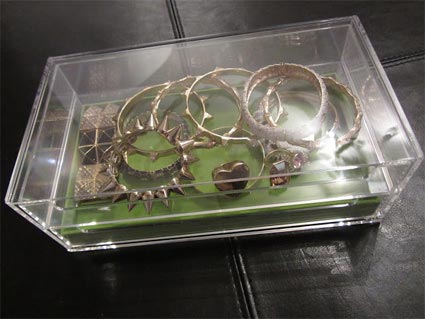
For protecting the jewellery from damage, you should place your pieces in a jewellery armoire. Since this special box has an appropriate holder for every type of jewellery, it is a great place to keep your pieces safe as the possibility of damage is reduced manifold. You have areas to hang your necklaces, ring trees, bangle holders and separate specialised compartments to hold several other miscellaneous pieces.
Another alternative can be the jewellery organisers. And if they are the closet ones, you can additionally secure your precious jewellery too. You can ensure the security of your jewellery by opting to keep them in bank or other private lockers that assure complete security and coverage.
Causes for Jewellery Damage
To protect your different types of jewellery, it is important that you have a clear idea on what commonly causes the damage. The sweat and oils that are naturally secreted by your body along with the talcum powders, lotions and cremes, and the acid residues from the make-up that we apply on our face/body results in accumulation of dirt from the environment and the other is tarnishes.
The primary point out here is that you must rub the jewellery with a super soft cloth after each wear. It should be a 100% cotton cloth as polyester blends may result in minor scratches. This removes the immediate dirt and cleaning them becomes much easier later. You also need to be aware that all your jewellery types and pieces must be stored separately. Piling of jewellery must be avoided at all costs. And remember gemstones can result in scratches on the metal surfaces.
Individual Jewellery Protection
Now speaking of individual jewellery protection, let’s start with the most common of the materials – gold. Protecting a jewellery piece means keeping it safe as well as helping it to retain its newness for years to come. You can ensure the longevity of your gold pieces by cleaning them with care, especially after each or prolonged use. Gold is a soft metal that can get readily damaged by scuffing and careless scratches.
The first thing that you need to ensure is that do not wear gold jewellery if you are planning to get engaged in heavy work. Getting tapped against surfaces of objects and getting brushed hard can cause abrasion and thus damage. To protect them effectively, follow instructions carefully and refrain from rubbing or brushing them vigorously with brushes and other abrasive papers or cloth.
Silver is the hardiest type of jewellery that is popularly worn. Sterling silver is preferred for everyday wear and is a very common costume jewellery material too. To enjoy your designer silver jewellery and those antique silver pieces gifted from your grandparents and parents, you need to ensure that you protect them well. Recommended silver polishes can be used, but care should be taken that they do not come in contact with the gemstones that are set in the jewellery.
What Should be Avoided
Scrubbing any type of jewellery must always be avoided. Erosions and tarnishes can be effectively prevented if one uses make-up and perfumes before wearing the jewellery. It is advisable to always wear them on dry skin.
Special mention should be made for diamond jewellery. It is important to note that in order to protect your diamond jewellery from damage, never store it with other diamond jewellery. Diamonds tend to scratch each other and when the chains get tangled, it is a sure case of possible scratches.